










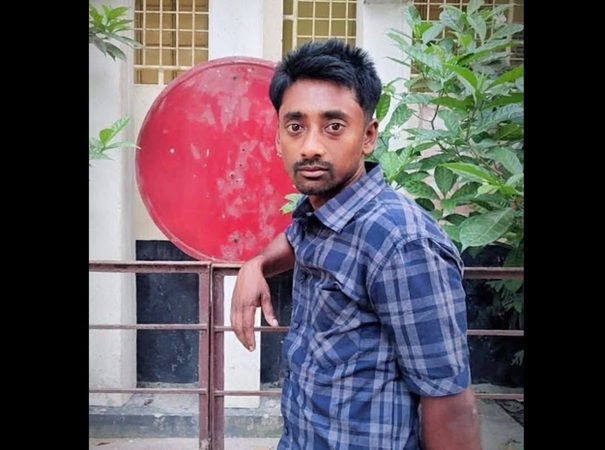
A Hindu fuel station worker was crushed to death in Bangladesh’s Rajbari district after attempting to stop a vehicle from leaving a petrol pump without paying, police said on Saturday.
The victim was identified as Ripon Saha (30), who was on duty at the filling station when the incident occurred in the early hours of Friday.
According to police and eyewitness accounts, a black SUV refuelled at the pump around 4.30 am and attempted to drive away without clearing the bill.
When the occupants allegedly refused to pay, Saha stood in front of the vehicle to prevent it from leaving.
The driver then ran him over and fled the scene, killing him on the spot, police said.
“We are registering a murder case. The worker tried to stop the car after the occupants refused to pay for fuel, and the vehicle ran him over before escaping,” Rajbari Sadar police chief Khondakar Ziaur Rahman was quoted as saying.

Police later seized the SUV and arrested its owner, Abul Hashem alias Sujan (55), and the driver, Kamal Hossain (43).
Hashem is a contractor and a former treasurer of the Rajbari district unit of the Bangladesh Nationalist Party (BNP) as well as a former president of the district Jubo Dal, police said.
Authorities have not confirmed whether the killing is linked to the recent spate of violence against Hindu minorities in Bangladesh.
ALSO READ: NGT takes suo motu note of degradation at Ramsar site Deepor Beel
The country has a Hindu population of about 13.13 million, accounting for nearly eight per cent of its total population, according to the 2022 census.
The Bangladesh Hindu Buddhist Christian Unity Council has expressed concern over what it described as a rise in attacks on minority communities, alleging that communal violence has intensified ahead of elections to intimidate minority voters.
The organisation said it recorded 51 incidents of communal violence in December 2025 alone.
India has also raised concerns over the treatment of minorities in Bangladesh, criticising what it called a tendency to downplay attacks by attributing them to personal disputes or unrelated causes, and warning that such narratives risk emboldening extremist elements.