










Guwahati: Political leaders and industry experts from across the Northeastern region have welcomed the Union Budget 2026, describing it as a forward-looking roadmap that places strong emphasis on regional development, infrastructure, tourism, education, MSMEs, and ease of doing business.
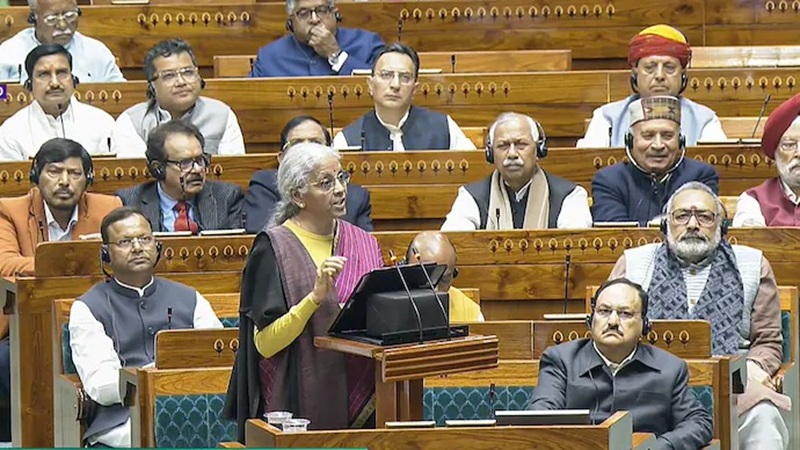
The Union Budget was presented by Finance Minister Nirmala Sitharaman today, laying out a visionary roadmap for India’s economic growth, with a strong focus on regional development, infrastructure, tourism, MSMEs, and ease of doing business.
Nagaland Minister for Higher Education and Tourism Temjen Imna Along said the Budget signals a decisive push towards services-led growth, education reform, and tourism development.
He highlighted proposals such as University Townships, the Education-to-Employment Standing Committee, and the upgradation of hospitality education institutions, noting their relevance in aligning education with employability.
He added that initiatives like training certified tourist guides and creating a National Destination Digital Knowledge Grid would benefit culturally rich states like Nagaland, while support for MSMEs and creative industries would help retain youth talent within the region.
Mizoram Tourism Minister Lalnghinglova Hmar said the Budget aligns well with the state’s focus on eco-sensitive and community-based tourism.

He noted that investments in hospitality skilling, digital documentation of destinations, and improved last-mile connectivity would enable inclusive tourism growth, particularly in rural and hill districts.
He also welcomed continued support for MSMEs, women-led enterprises, and community entrepreneurship.
Arunachal Pradesh Minister Pasang Dorjee Sona, who holds multiple portfolios including Tourism and Education, said the Budget reflects a shift from welfare delivery to capacity creation.
He highlighted increased capital expenditure, enhanced fiscal devolution, and targeted initiatives such as girls’ hostels, University Townships, and digital preservation of heritage.
He added that support for high-value agriculture, rural infrastructure, SHE Marts, and Buddhist Circuit development would strengthen livelihoods and connectivity in remote and border areas.
Also Read: ‘Fusion of Bands Season 3’ finale celebrates Nagaland’s music and cultural unity
Industry leaders also expressed optimism over the Budget’s focus on tourism, infrastructure, and connectivity.
Vikas Agarwal, Managing Director and CEO of SM Developers, said the rise in public capital expenditure to ₹12.2 lakh crore, combined with fiscal discipline, reinforces investor confidence.
He noted that initiatives like Swadesh Darshan 2.0, Buddhist circuits in the Northeast, medical tourism hubs, and incentives for seaplane operations would enhance last-mile connectivity and unlock new opportunities in hospitality and urban development, particularly in gateway cities like Guwahati.
Vineet Kumar Mishra, General Manager of Novotel Guwahati GS Road, said the Budget recognises tourism and hospitality as structured contributors to employment and services growth.
He welcomed the proposed upgrade of the National Council for Hotel Management into a National Institute of Hospitality, as well as the plan to train 10,000 tourist guides.
He added that increased infrastructure spending and focus on Tier-II cities would boost business travel, leisure tourism, and MICE activity in Guwahati and the wider Northeast.