










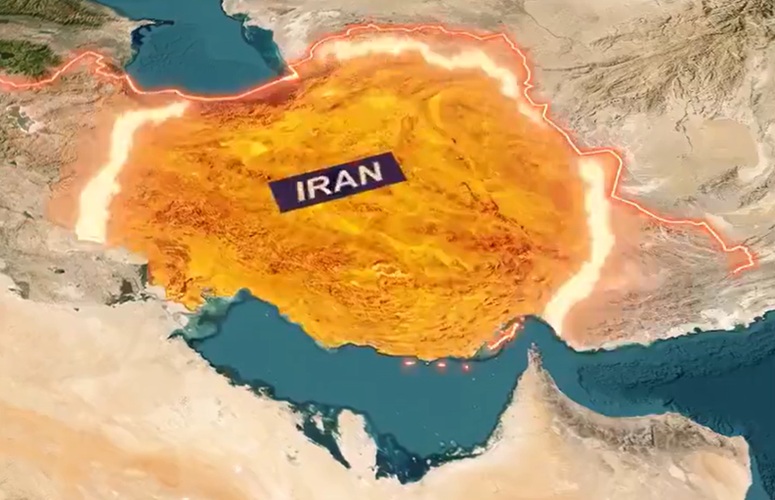
India is not expected to face any immediate physical disruption in crude oil supplies despite escalating tensions involving Iran and reports of a temporary shutdown of the Strait of Hormuz, but officials and analysts have warned of rising price volatility and broader macroeconomic pressures in the near term.
Government sources said Indian refiners are currently well-positioned to manage short-term disruptions, with crude inventories sufficient for at least 10–15 days and fuel stocks capable of meeting 7–10 days of domestic demand.
Contingency plans are also in place, including diversified sourcing from the United States, West Africa, Latin America and Russia, along with access to strategic petroleum reserves.
The Strait of Hormuz remains critical to India’s energy security, with nearly half of the country’s crude imports — about 2.5–2.7 million barrels per day — passing through the route, primarily from Iraq, Saudi Arabia, the UAE and Kuwait.
Around 60 per cent of India’s LNG imports and almost all LPG shipments also transit the narrow corridor.
Iranian state media reported on February 28 that the Strait had been shut in response to US and Israeli military strikes.

Indian officials, however, said any short-term closure would have limited impact due to existing inventories and supply buffers.
They added that in the event of a prolonged disruption, India could recalibrate imports and increase sourcing from alternative suppliers, including Russia, though longer transit times would require advance planning.
Analysts said a sustained closure of the Strait is unlikely, as it would severely impact regional economies, including major exporters such as Saudi Arabia and Qatar.
One analyst noted that any prolonged blockade could prompt international military intervention to secure the sea lane.
For now, authorities are operating on the assumption that any disruption will be brief, likely lasting less than a week.
“The world has sufficient crude oil supplies, and India has multiple sourcing options across regions,” a senior official said, adding that strategic reserves could also be deployed if required.
While supply risks remain contained in the short term, the immediate impact is expected to be reflected in prices.
Brent crude has climbed more than USD 12 per barrel this year amid rising geopolitical tensions, settling at USD 72.87 per barrel on February 27 after touching an intraday high of USD 73.54 — its highest level since July 2025.
Traders are now factoring in heightened volatility, with some scenarios projecting prices approaching USD 80 per barrel if supply risks intensify.
Experts said LNG and LPG supplies could become more vulnerable if the disruption is prolonged, as these markets are more constrained due to long-term contracts and limited spot availability.
Officials warned that sustained disruption could push LNG prices sharply higher, particularly if large importers such as India and China seek alternative sources simultaneously.
Market analysts said the bigger risk for India lies in macroeconomic pressures rather than physical shortages.
Sumit Ritolia, Lead Research Analyst at Kpler, said the immediate fallout would be driven by higher crude prices, freight rates and war-risk insurance costs.
He noted that diversified sourcing, Russian supply options and layered inventory buffers significantly reduce the risk of sustained shortages, but price volatility and macroeconomic impact remain key vulnerabilities.
ALSO READ: ‘Teesra Jahan’ brings transgender narratives to mainstream through poetry
Aditi Nayar, Chief Economist at ICRA, said the scale and duration of the West Asia conflict would determine its impact on India’s inflation, fiscal position and current account balance.
Prashant Vasisht, Senior Vice President at ICRA, warned that prolonged and widening hostilities involving multiple oil producers could further tighten global energy markets and intensify price volatility.
Analysts said that even without physical shortages, higher landed crude costs would raise India’s import bill, add pressure on inflation and strain the current account.
However, domestic fuel prices are not expected to rise immediately, as retail revisions typically follow sustained price increases rather than short-term spikes.
The government said it is closely monitoring the evolving situation and working on alternative supply and logistics strategies to protect energy security and manage economic risks.