








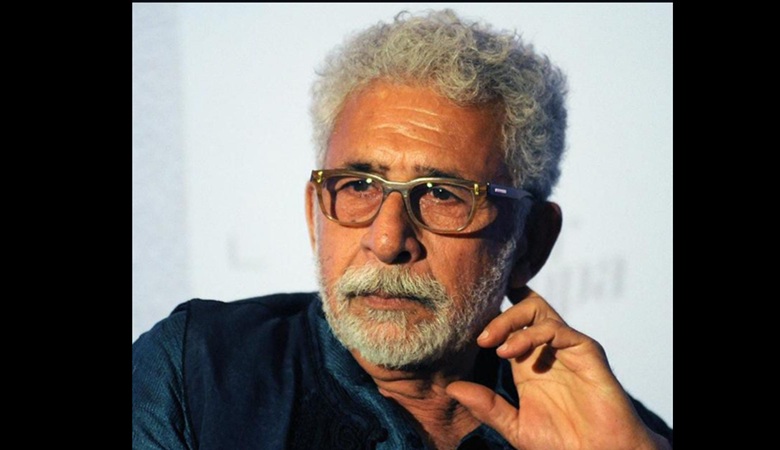
Veteran actor Naseeruddin Shah has alleged that he was disinvited at the last minute from a Mumbai University event without any explanation or apology, an experience he said left him insulted and deeply disappointed.
In a strongly worded opinion piece published in The Indian Express on Thursday, Shah wrote that he had been invited to the university’s Jashn-e-Urdu programme, organised by the Urdu department on February 1, and was particularly eager to attend as it involved interacting with students.
However, he was informed late on the night of January 31 that his presence was no longer required.
Shah said the decision was conveyed without any reason or expression of regret, a move he described as dismissive.
He further alleged that the university later told the audience that he had declined to attend the event, a claim he denied.
Referring to remarks reportedly made by a senior university official, Shah said the implied justification was that he “openly makes statements against the country”.

Challenging the allegation, the actor said he dared anyone making such claims to produce a single statement in which he had spoken against India.
ALSO READ: Four killed, one injured in blast at suspected illegal coal mine in Meghalaya’s East Jaintia Hills
The actor, known for critically acclaimed films such as Nishant, Aakrosh, Jaane Bhi Do Yaaro, Masoom, and Sparsh, said he has consistently been critical of the ruling dispensation on various issues.
He noted that his criticism stems from concerns about civic sense, social responsibility, and the broader direction in which the country appears to be moving.
In the article, Shah also referred to issues ranging from the treatment of student activists to the handling of cases involving serious crimes, cow vigilantism, changes to history and textbooks, and statements made by political leaders.
He said these developments troubled many citizens who value dissent and democratic debate.
Questioning the persistence of what he described as an atmosphere of hatred, Shah wrote that the country no longer resembled the one he grew up in and was taught to love.
Drawing a parallel with George Orwell’s 1984, he asked whether failing to praise those in power was increasingly being equated with disloyalty or sedition.