









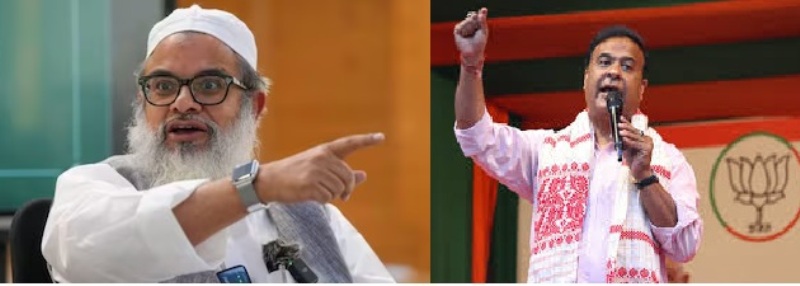
Guwahati: The Jamiat Ulama-i-Hind has approached the Supreme Court over certain recent public remarks made by Assam Chief Minister Himanta Biswa Sarma, describing them as “communal, deeply divisive and contrary to the spirit of the Constitution”.
The application was filed by Jamiat president Maulana Mahmood Madani through senior advocate M R Shamshad, seeking strict and enforceable guidelines for individuals holding constitutional positions to prevent misuse of public office to spread hatred or target any community.
The plea has been filed in connection with an earlier petition by the Jamiat, in which the Supreme Court had reserved its order on January 20.
The application refers specifically to a speech delivered by the Assam chief minister on January 27, in which he is alleged to have made objectionable remarks against members of a minority community.
The organisation argued that such statements, particularly when made by a person occupying a high constitutional office, cannot be dismissed as political rhetoric or protected free speech.
“Instead, they amount to a deliberate attempt to spread hatred, create hostility and stigmatise an entire community,” the Jamiat said, adding that such remarks seriously harm social harmony and undermine the dignity and responsibility attached to constitutional office.

The application also sought directions from the apex court to frame regulatory norms for constitutional functionaries, ensuring that no one is allowed to use their position to promote communal hatred, incite public animosity or vilify any group.
According to the plea, such guidelines are necessary to uphold the fundamental principle that no one is above the Constitution or the law, which forms the bedrock of the rule of law.
ALSO READ: Gaurav, Akhil and Lurinjyoti push unity, but seat-sharing hurdle looms for 2026
The petition further contended that remarks of this nature undermine core constitutional values such as equality, fraternity, secularism and human dignity, and therefore cannot claim protection under the right to freedom of speech.