









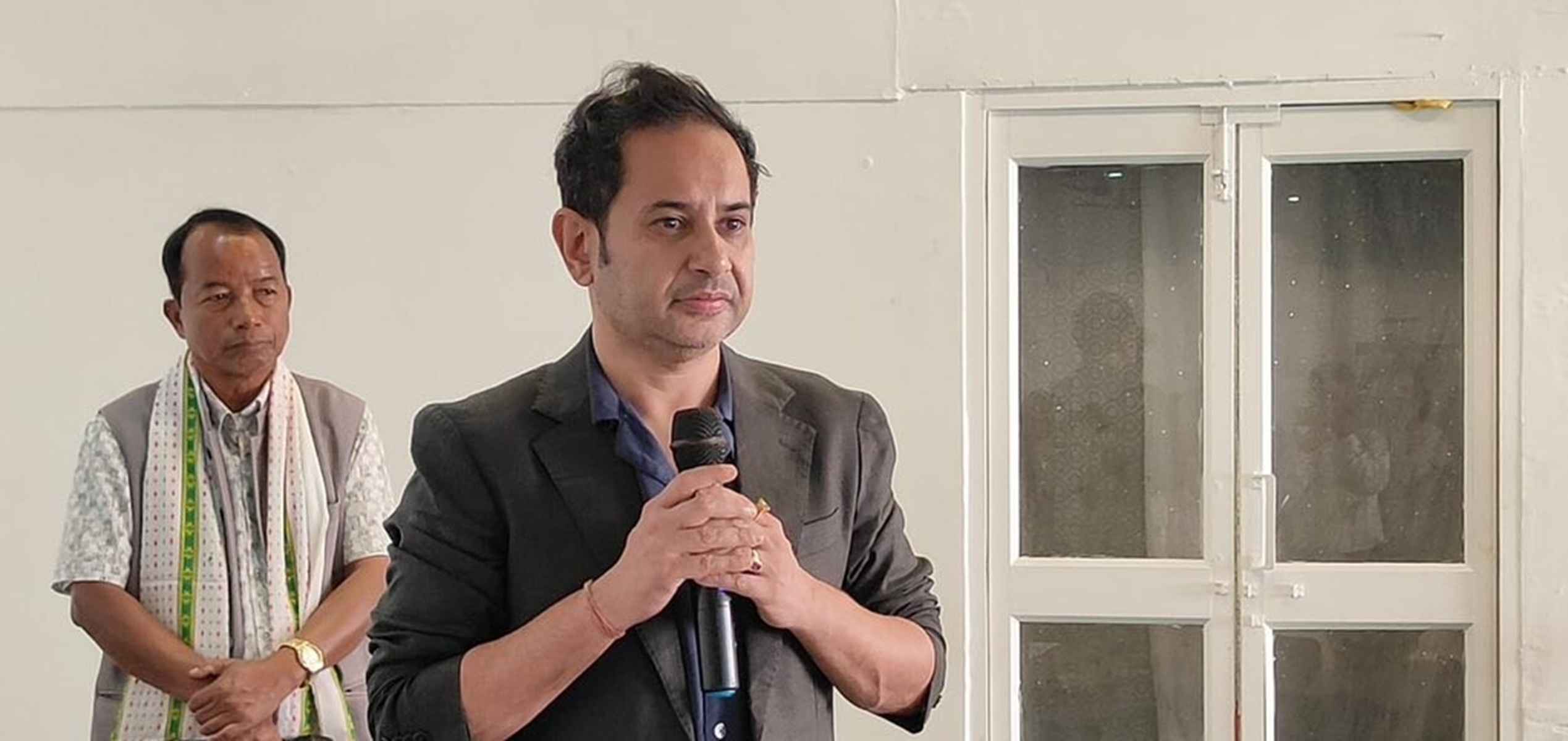
Tipra Motha Party (TMP) chief Pradyot Kishore Manikya Debbarma on Sunday warned that his party would contest the upcoming Tripura Tribal Areas Autonomous District Council (TTAADC) elections independently if the Tiprasa Accord is not implemented.
Speaking to reporters in Agartala, Debbarma said continuing as an ally would be untenable without concrete progress on the accord, which TMP signed with the Centre and the Tripura government in March 2024 for the comprehensive development of indigenous communities.
“If the Tiprasa Accord is not implemented, we will fight the election alone. I cannot mislead my people,” he said.
His remarks come amid indications from the BJP leadership about its electoral ambitions in the tribal council.
Debbarma pointed to Chief Minister Manik Saha’s recent assertion that the BJP would win all 28 seats of the TTAADC, questioning the future of the alliance under such circumstances.
While asserting that the Centre was prepared to move ahead with the accord, the TMP supremo alleged that resistance from certain leaders within the state was delaying its implementation.

Debbarma also reiterated his party’s firm stance on the script for Kokborok, the mother tongue of most tribal communities in Tripura, saying the issue was non-negotiable.
ALSO READ: India suspends visa services indefinitely at Chattogram centre in Bangladesh
Drawing a parallel with the historical fallout of language imposition in the former East Pakistan, he said the choice of script was an internal matter of the Tiprasa people and could not be dictated by external forces.
“The Centre and the state government must respect the sentiments of the indigenous people on the Kokborok script. We will not dilute our position,” he said.
On regional security concerns, Debbarma said the political instability in Bangladesh warranted a clear and consistent policy for the Northeast from both the Centre and the state government.
He alleged that minorities, particularly indigenous communities, were facing repression across the border and claimed radical elements were attempting to shelter anti-India forces.
“A nationalist party cannot remain a silent spectator in such a volatile situation,” he said, calling for heightened vigilance and a coherent strategy to safeguard national and regional interests.