









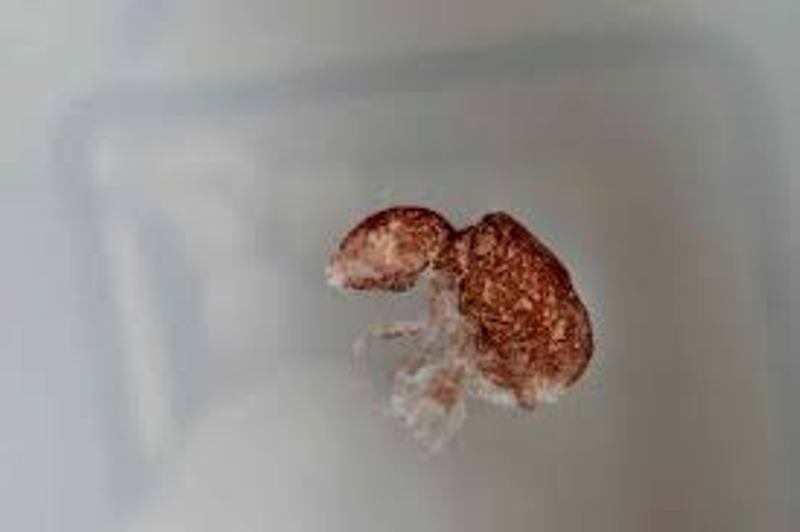
Gangtok: Scientists from the Zoological Survey of India (ZSI) have discovered a new species of Collembola or springtails, tiny soil-dwelling micro-arthropods, in the high-altitude regions of Sikkim, highlighting the Eastern Himalayas as a key biodiversity hotspot.
In a statement, ZSI said the discovery, published on December 1, adds a significant new entry to India’s entomological records.
The species has been named Neelus sikkimensis and marks the first-ever record of the genus Neelus in India, taking the global count of species in the genus to eight.
The research was carried out by ZSI’s Apterygota Section under the leadership of Gurupada Mandal, with Kusumendra Kumar Suman as a team member. The findings were published in the peer-reviewed Journal of the Entomological Research Society.
Their work focused on soil and moss samples collected from Sikkim’s high-altitude landscapes, environments that often harbour life forms invisible to the naked eye and overlooked in mainstream conservation narratives.
The newly identified species is characterised by an extremely small body and specialised adaptations for life deep within soil and moss.

Its most defining feature is a distinctive labral chaetotaxy, the specific arrangement of bristles on its mouthparts, which clearly separates it from its closest relatives found elsewhere in the world.
ZSI Director Dhriti Banerjee noted that Collembola are crucial to soil health, aiding in the decomposition of organic matter and facilitating nutrient cycling in the topsoil. In doing so, they sustain plant life and maintain the balance of terrestrial ecosystems.
She described the discovery as a proud moment for Indian science, noting that it places an unrecorded genus within the country’s faunal records.
ALSO READ: Army jawan dies as raft capsizes during training in Sikkim’s Teesta river
“This finding enhances our understanding of Collembola diversity in India and highlights the importance of documenting species that make significant ecological contributions, even if they are rarely seen,” Mandal said.