










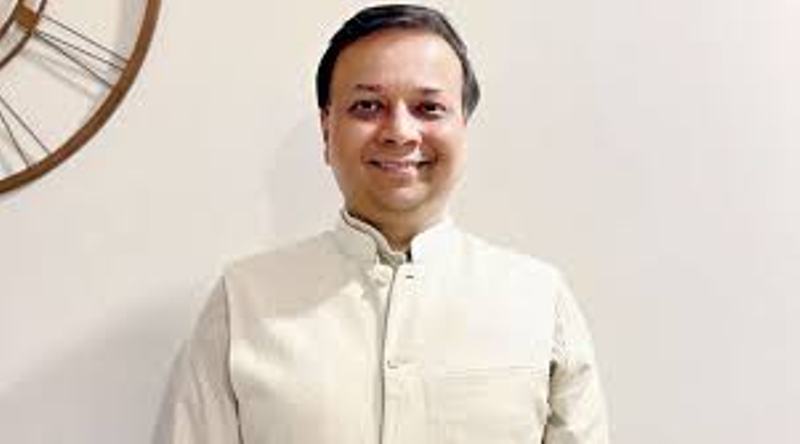
As West Bengal heads into a politically charged phase ahead of the ensuing Assembly elections, the Trinamool Congress (TMC) is increasingly projecting Jorasanko MLA Vivek Gupta as a key electoral face, banking on his clean image and corporate-style approach to governance to counter mounting criticism over scandals and allegations against the party.
A former Rajya Sabha MP and business executive, Vivek Gupta has brought a corporate-style approach to his political work. He has been serving as the state president of the Trinamool Congress Hindi Cell in West Bengal since January 15, 2023. He is known for stressing professionalism and accountability, which has helped shape his public image.
This approach is seen as appealing to many urban, middle-class voters who are often skeptical of traditional grassroots politics and disillusioned with long-standing political practices. Supporters say his background sets him apart from conventional politicians and gives him credibility among voters looking for cleaner and more professional governance.
Unlike many political figures in Bengal’s political landscape, Gupta has no criminal cases registered against him. Observers say this has helped him project himself as a development-focused leader, with greater emphasis on project execution and administrative standards.
Initiatives such as the technologically driven demolition of the Vivekananda Flyover and efforts to modernise drainage systems are frequently cited as examples of his emphasis on “audit-compliant and outcome-oriented governance”.
However, political analysts remain divided on how far individual credibility can go in addressing broader governance concerns. While Gupta’s personal record is viewed positively, critics argue that it is unclear whether he has challenged questionable practices within his own party or addressed deeper structural issues that extend beyond his individual role.

Opposition leaders also point out that several long-standing civic problems in Jorasanko, including traffic congestion and illegal construction, continue to persist despite his professional credentials and affect his constituency.
Some residents share a similar view. Voters acknowledge Gupta’s clean reputation but say everyday concerns — including water shortages and gaps in basic infrastructure — remain unresolved. For many, they argue, visible improvements on the ground matter more than a strong personal profile.
At the same time, Gupta’s supporters believe his presence offers reassurance to voters who back the TMC’s welfare programmes but remain wary of corruption and local-level governance. With elections approaching, the Trinamool Congress is hoping that Vivek Gupta’s clean image in Jorasanko will help counter anti-incumbency and growing criticism against the party. Party leaders believe his reputation for integrity in North Kolkata could work in their favour during the campaign.
The key question is whether one leader’s clean image can make up for wider problems in governance. In North Kolkata, Vivek Gupta has become a test case for the party — to see if professional credibility is enough to overcome serious allegations, or if it will be seen by voters as only polished political image-building.
ALSO READ: AIMIM chief Owaisi files complaint against Assam CM over ‘point-blank shot’ video
Notably, elections to the 294-member West Bengal Legislative Assembly are likely to be held in March–April 2026.