










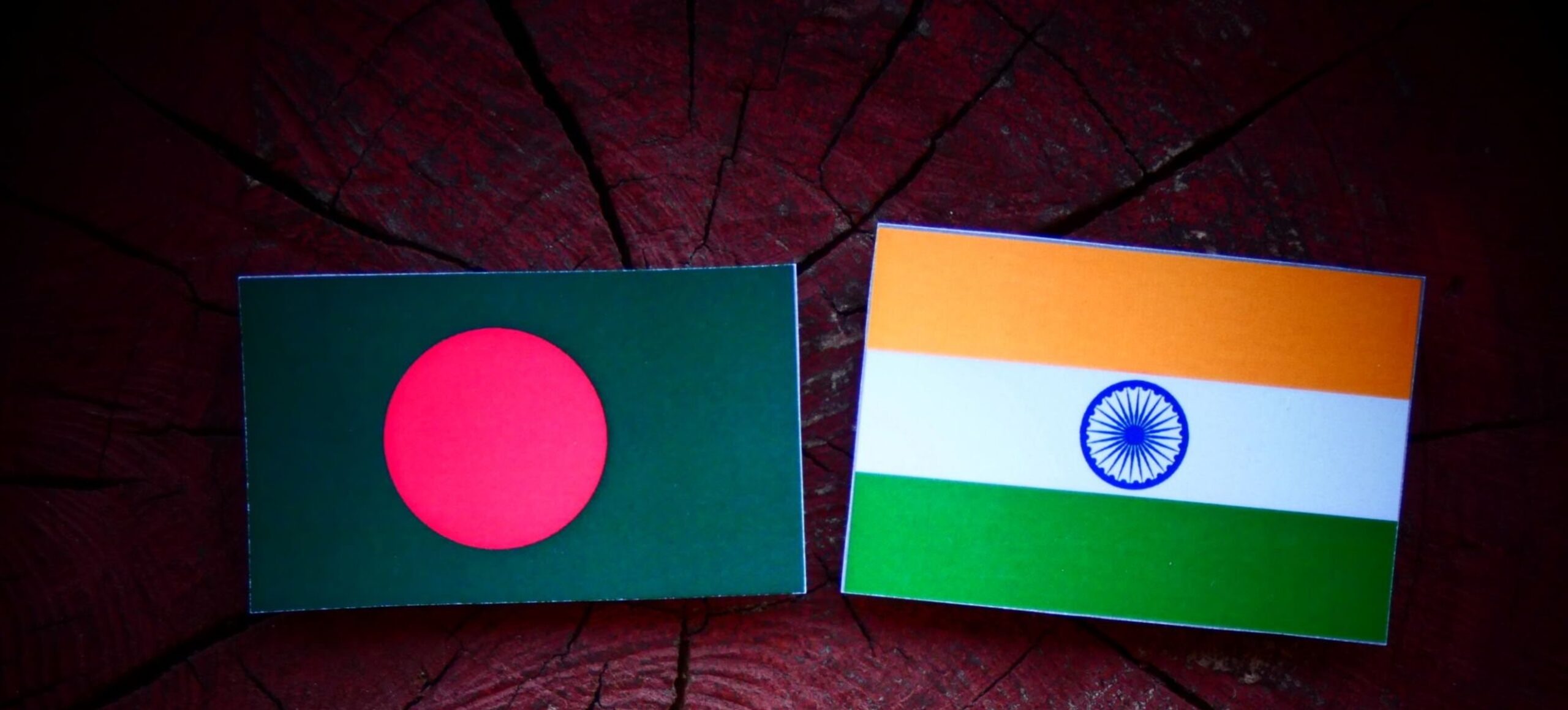
At present, incidents of torture and oppression are being witnessed in both Bangladesh and India in fragmented forms. These violent acts are crushing humanity.
Although peace-loving and progressive people across the world condemn such incidents, the role of the administration in suppressing them has not been very positive.
In many cases, the police have been seen delaying investigations and even hesitating to register cases.
The hatred being spread in the name of religion, caste, and region may have far-reaching consequences, and this is causing serious concern among conscious citizens.
Currently, Bangladesh does not have a democratic government.
An extremist nationalist-backed caretaker government has completely failed to protect the lives and property of all communities. False allegations of blasphemy led to the brutal burning alive of Dipu Das.

Other youths were shot, beaten to death, and homes were locked and set on fire in places like Chittagong and Pirojpur.
A child also died in the Chittagong fire. In Shariatpur’s Damudya, a sudden terror attack by three criminals resulted in the death of Khokan Das in hospital.
Although cases were eventually registered by the Bangladesh police, the widespread atmosphere of insecurity is heartbreaking. If minorities remain unsafe in Bangladesh, the reaction is bound to reach India’s remote regions.
In Arunachal Pradesh, residents have started taking direct action with open threats to drive out “Bangladeshis.” Police in some Indian states are acting as judges themselves, ignoring legal procedures and dropping detained individuals at the Bangladesh border.
In Assam, tribunal-declared foreigners are being pushed back without appeal, which raises doubts about whether this is always justified.
Many tribunal-declared “foreigners” have later been cleared by the High Court and Supreme Court, proving that tribunal rulings are not infallible. Therefore, immediate pushback without legal verification is nothing short of inhumane.
The growing anti-Bengali sentiment in India appears to be a deep conspiracy to crush both Hindu and Muslim Bengalis.
If the ruling party believes aggression will help them control West Bengal, they may have to pay a heavy price.
Bengalis have never been expansionist, but they know how to raise their voice in protest when attacked. Anyone who forgets the bravery of Bengalis in India’s freedom struggle only exposes their own narrow mindset.
The attempt to impose dominance of one language (Hindi) will not succeed, as the Indian Constitution guarantees dignity to all regional languages—many of which already have classical status. Interestingly, RSS chief Mohan Bhagwat recently urged citizens to speak in their mother tongues and take care of their own languages.
In Assam too, efforts are being made to corner Bengalis, exploiting emotions in the Barak Valley. The long-standing demand of the people there is to rename Silchar Railway Station as “Language Martyrs Station,” yet the state government has shown no goodwill. Unemployment among educated youth in the valley is being ignored.
Many are surviving by driving e-autos or opening small businesses. If Barak’s talented youth can find jobs in other states and globally, why not in Assam? This only proves the state’s neglectful mentality toward the region.
ALSO READ: Arunachal Pradesh posts 36% rise in GST collections in first nine months of FY26
It is the responsibility of the majority in every country to ensure the safety of minorities.
This duty applies not only to India and Bangladesh, but to all nations in the world. Creating barriers against anyone’s right to live with dignity is inhumane.
Forces that spread terror, violence, and division will never bring good results. Nature takes its own revenge.
The hands of imperialist powers have always been behind such conspiracies to dominate and subjugate nations—U.S. aggression in Venezuela is just one example.
Humanity will ultimately prevail. Everything else will fail. India and Bangladesh were once friendly nations.
That friendship has been damaged due to conspiracies fueled by imperialist powers and internal unrest created by some people in Bangladesh. But no one can swear that this friendship will not heal again.
If a proper government is formed in Bangladesh in the future, the friendship between the two nations may be restored. Then, moral consciousness among citizens of both countries will rise, and violence may slowly disappear. I remain hopeful and optimistic.