









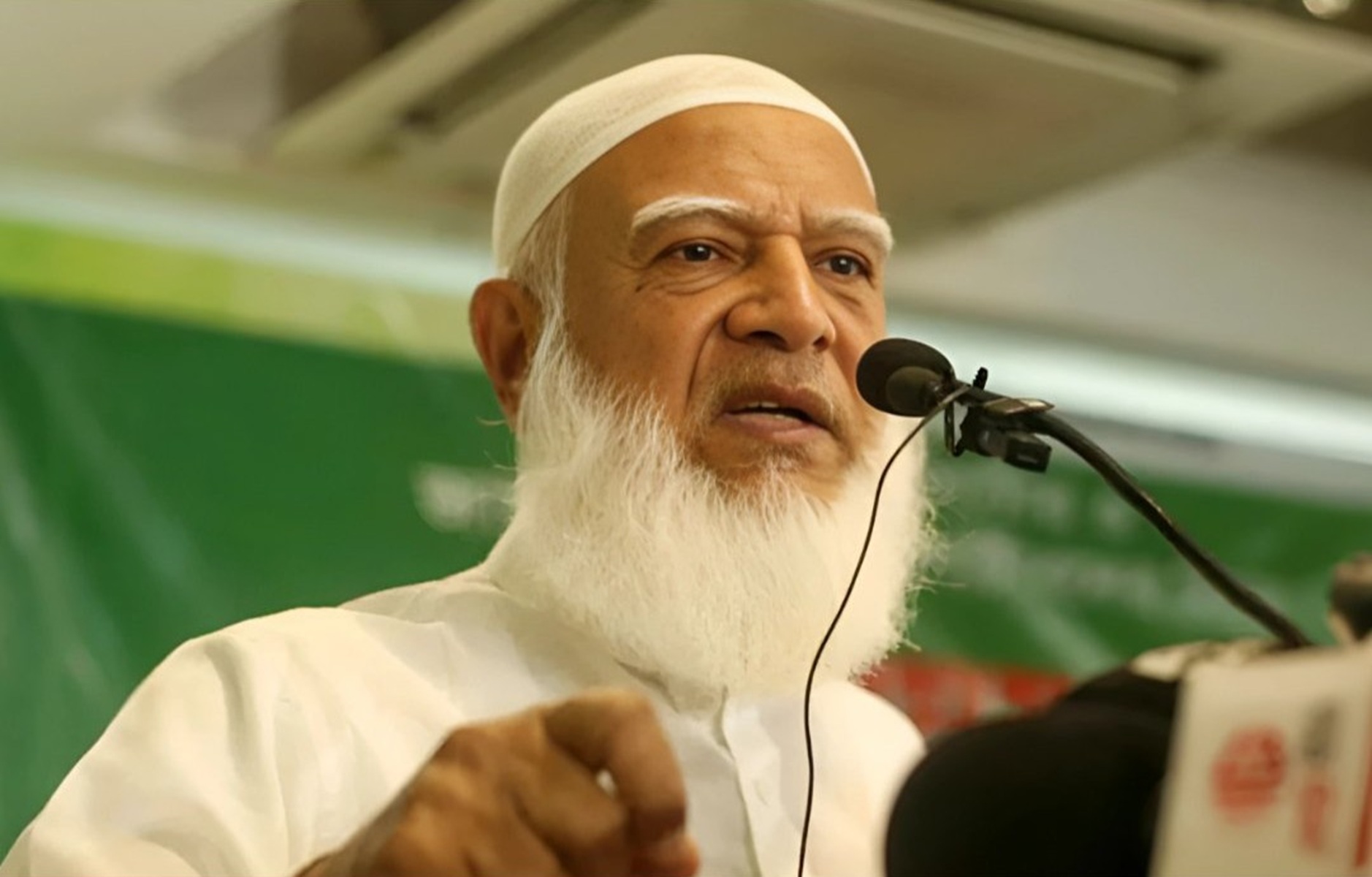
Bangladesh Jamaat-e-Islami (JeI) found itself at the centre of a major controversy on Saturday after a post from the official X handle of its Ameer, Dr Shafiqur Rahman, made derogatory remarks about women’s participation in public life and leadership, triggering widespread condemnation and calls for protests.
The post, shared from the handle @Drsr_Official, stated that Jamaat-e-Islami does not support women in leadership roles and described the participation of women outside the home as morally corrupt, likening it to “another form of prostitution.”
The remarks were justified as being “principled” and rooted in religious belief, asserting that women should not hold leadership positions.
The post quickly went viral, drawing sharp criticism from women’s rights activists, secular groups and opposition voices. Left-leaning women’s organisations and the Chhatra Dal announced protest rallies in Dhaka, condemning the comments as misogynistic, regressive and demeaning to working women.
Rights activists warned that such rhetoric normalises discrimination and undermines women’s dignity and equal participation in society, particularly at a time when debates on democracy, rights and inclusion are intensifying ahead of the 2026 national elections.
Amid the growing outrage, Jamaat-e-Islami claimed that Dr Rahman’s X account had been hacked. In a statement, the party said content had been posted that was “falsely attributed” to the Jamaat chief and that necessary steps had been taken to secure the account.

“Our opponents may try every tactic, but we will remain focused on a positive, principled campaign for the people and the future of Bangladesh,” the statement said. The party also announced an emergency press conference scheduled for 10 am.
The controversial post had carried the hashtags #Jamaat2026, #BDElection2026 and #BuildingBangladeshTogether, further fuelling speculation about its political intent.
A subsequent notice from the same handle reiterated the claim of hacking after the post sparked a storm on social media.
Netizens, including Awami League supporters, secular activists and women’s rights advocates, rejected the hacking claim and continued to criticise the remarks.
Many pointed to what they described as hypocrisy, noting that Jamaat-e-Islami had earlier been part of an alliance with the BNP, led by Khaleda Zia, a woman who served as prime minister.
The BNP-Jamaat alliance remained intact until 2019–20.
The episode has intensified scrutiny of Jamaat-e-Islami’s stance on women and gender equality, with critics arguing that such statements, whether intentional or not, reflect deeply entrenched attitudes that clash with constitutional rights and democratic values.