










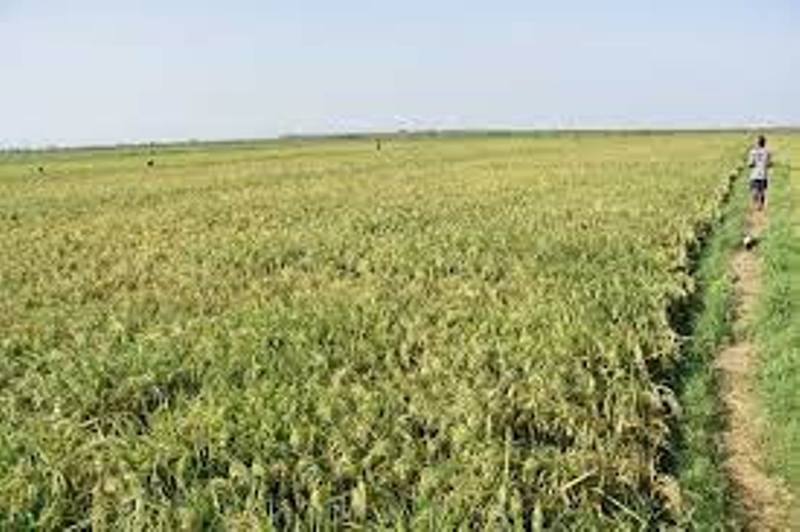
Aizawl: Over 5,000 farmers in Mizoram have lost an estimated 42 per cent of their crops this year following a severe rodent infestation, a senior Agriculture Department official said on Tuesday.
Deputy Director (Plant Protection) Lalrindiki told a news agency that the infestation—triggered by the gregarious flowering of Bambusa Tulda, a bamboo species locally known as Thingtam—has ravaged over 1,700 hectares of farmland across 180 villages in all 11 districts of the state.
A total of 5,317 farmers have been affected, collectively losing 42.06 per cent of their harvest, she said.
“The outbreak is now largely under control due to mass poisoning drives and other preventive measures. The rodent population has also declined as the harvesting season has ended,” Lalrindiki added.
According to the Agriculture Department, Mamit district—which borders Bangladesh and Tripura—was the worst affected, with 2,009 families reporting damage and an estimated 60 per cent crop loss.
In Lunglei district, 1,071 farmers lost 60.70 per cent of their crops.
In terms of crop destruction, Hnahthial district suffered the most severe destruction, where 110 farmers recorded 82.9 per cent crop loss.

Lalrindiki said the gregarious flowering of Thingtam was first reported in a village in Mamit in February last year. The phenomenon, which occurs roughly every 48 years, was last seen in Mizoram in 1977, while the most recent rodent outbreak was reported in 2022, affecting at least nine districts.
Paddy has been the worst-hit crop, though maize, sugarcane, ginger, eggplant, pumpkin and sesame have also been damaged, officials said.
ALSO READ: Mizoram rolls out ‘Empowering Mizoram Sports’ initiative to boost sports coaching
Mizoram, where about 70 per cent of the population depends on agriculture, traditionally practices shifting or jhum cultivation, which often yields low output. In recent years, however, government efforts have encouraged a shift toward horticulture and long-term plantations such as betel nut, grapes and pineapple.