










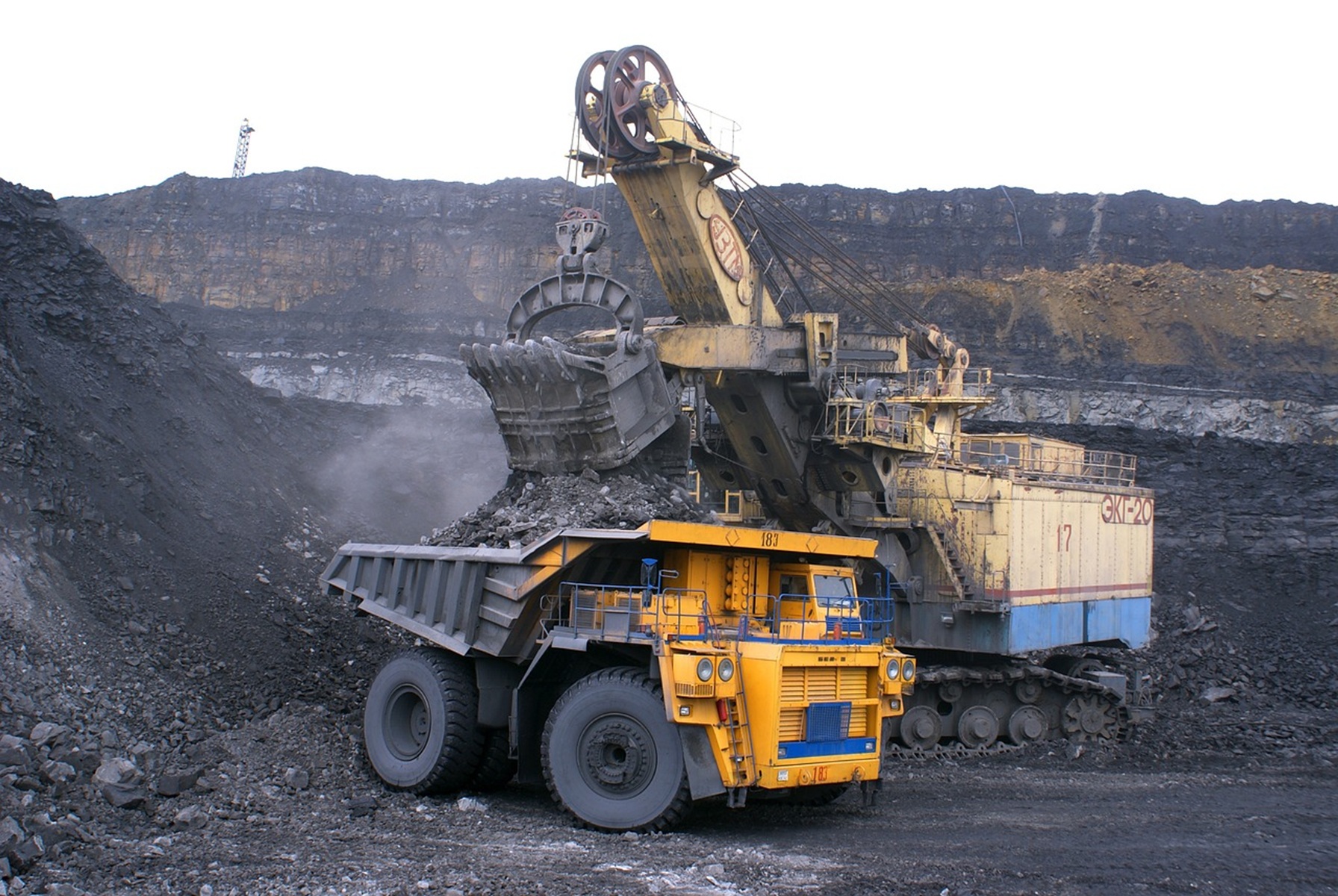
New Delhi: Rajya Sabha MP from Meghalaya, Dr Wanweiroy Kharlukhi, on Thursday urged the Centre to fast-track the implementation of scientific coal mining in the state, warning that the prolonged ban on coal extraction has not only devastated livelihoods but also created fertile ground for drug smuggling in former mining areas.
Raising the issue during Zero Hour, the National People’s Party MP said the National Green Tribunal’s 2014 ban on coal mining had severely impacted thousands of families who depended on the sector for their livelihood.
He argued that the prohibition had effectively deprived people of their fundamental right to earn.
Coal, Dr Kharlukhi said, was the backbone of the local economy, sustaining families as well as institutions.
He pointed out that the ban had crippled the autonomous district councils in Meghalaya, which relied heavily on coal-related revenue.
As a result, council employees were forced to go without salaries for months at a stretch, he said, while backing demands by MPs from Assam for amendments to the Sixth Schedule to strengthen district councils in the Northeast.

Highlighting the financial impact, the MP noted that the state government earlier collected more than Rs 600 crore annually through cess on coal, funds that were largely used to support education.
Following the ban, revenue dropped to zero, leading to severe stress on the education sector.
For the first several years after 2014, teachers were compelled to protest on the streets demanding payment of their salaries, he added.
While acknowledging the Centre’s decision to permit the resumption of mining through scientific methods, Dr Kharlukhi cautioned that delays in implementation were having unintended consequences.
He said there were worrying signs of drug smuggling increasing in the state, with law enforcement agencies making arrests, particularly in coal belt areas.
Urging the government to treat the issue with urgency, the MP warned that unless economic activity was restored through regulated mining, Meghalaya risked turning into a corridor for drug peddling in the region.