










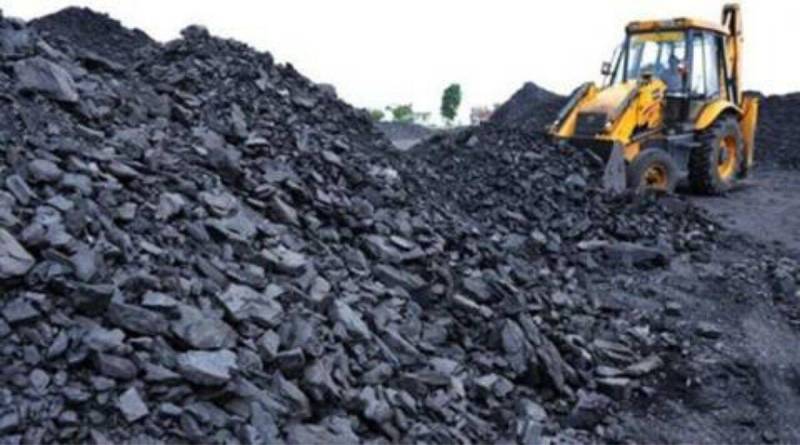
Shillong: Meghalaya’s Revenue and Disaster Management Department has come under the scanner after the Comptroller and Auditor General (CAG) reported irregular utilisation of disaster relief funds, including payments to victims of illegal coal mining in violation of prescribed norms.
The findings were highlighted in the CAG’s 2023 audit report tabled in the Assembly on February 27.
According to the report, a total of Rs 1.07 crore was disbursed from the State Disaster Response Fund (SDRF) in July 2019 as compensation linked to incidents arising from illegal coal mining activities. The audit observed that such payments were inconsistent with SDRF guidelines.
Of the total amount, Rs 16.50 lakh was distributed among the families of 14 deceased persons and five injured individuals from Mengkulgittim in Rongsa Awe village in South Garo Hills. In a separate instance, Rs 90 lakh was paid to 18 families of miners who lost their lives at the Ksan coal mines in East Jaintia Hills, with each beneficiary receiving Rs 5 lakh.
The CAG noted that extending relief to 37 individuals associated with illegal mining activities was contrary to established SDRF norms.
Coal mining in Meghalaya has been banned since April 17, 2014, following an order by the National Green Tribunal (NGT).

In its response, the department maintained that the compensation was linked to flood damage caused by heavy rainfall and said it would seek ratification from the State Executive Committee (SEC).
However, the CAG rejected this justification, stating that the SEC does not have the mandate to regularise expenditures connected to activities declared illegal by the NGT.
Sources indicated that the CAG may further examine compensation assurances reportedly made to families affected by an illegal mining incident at Mynsngat-Thangsko on February 5 this year.
Beyond the mining-related payments, the audit also flagged wider irregularities in the use of disaster relief funds. It found that Rs 8.10 crore from the SDRF had been spent on events such as heavy rain, strong winds, thunderstorms and hailstorms, which were not officially notified disasters under SDRF norms.
As per guidelines, the fund is meant to address specific calamities such as cyclones, floods, earthquakes and landslides.
The report further pointed to administrative lapses, including delays ranging from nine to twelve months in releasing compensation and 15 cases where sanctions were booked under incorrect heads of account.
ALSO READ: Meghalaya govt to roll out Phase II recruitment drives across Garo Hills in March
Although the department has stated that it will rectify classification errors in consultation with deputy commissioners, the CAG criticised the absence of due diligence, observing that the department failed to adequately verify whether relief disbursements adhered to established guidelines before approval.