








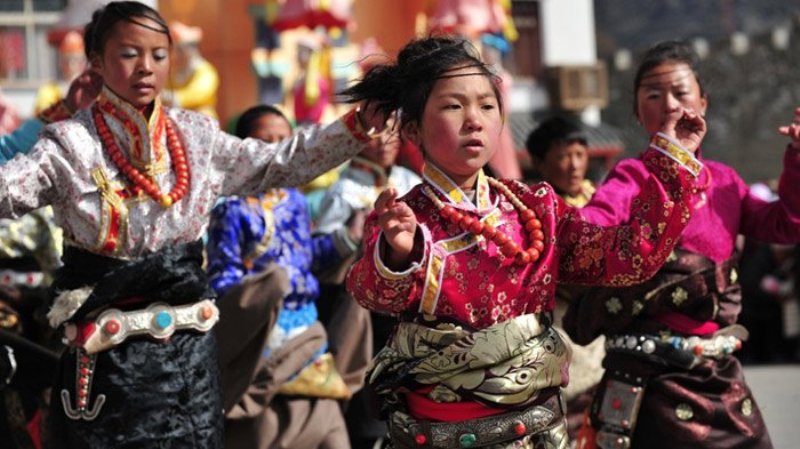
High in the Himalayas and across Tibetan communities around the world, the arrival of Losar — the Tibetan New Year — is more than just a change of calendar. It is a deeply spiritual and cultural celebration that blends ancient rituals, family traditions and symbolic foods, marking renewal, gratitude and hope for the year ahead.
Traditionally celebrated between late January and February in accordance with the Tibetan lunar calendar, Losar combines spiritual rituals with social festivities. Families clean their homes, make offerings to local deities, light butter lamps, and celebrate with food, dance, and music.
The word “Lo” means year and “Sar” means new — together signifying a fresh beginning.
Preparations begin days in advance. Homes are thoroughly cleaned to sweep away negativity and misfortune from the past year. Old prayer flags are replaced with new ones, symbolising renewal and the welcoming of positive energy. Families decorate their houses with auspicious symbols and offer prayers for peace, prosperity and good health.
Food is at the heart of Losar celebrations, and every dish prepared during the Tibetan New Year carries deep cultural and spiritual meaning. The ingredients used are simple and rooted in the Himalayan landscape, yet they reflect prosperity, purification, warmth and togetherness.
Guthuk: One of the most important dishes is Guthuk, a special noodle soup eaten on the 29th day of the last month of the Tibetan calendar. Made with hand-pulled wheat noodles, seasonal vegetables such as radish, spinach and carrots, along with garlic, ginger and sometimes meat, Guthuk is both hearty and symbolic.

What makes it unique are the small dough balls placed inside the soup, each containing a hidden ingredient. Items such as salt, chilli, charcoal, wool or rice are tucked inside as playful symbols of a person’s character — salt may represent kindness, chilli a sharp tongue, charcoal a dark mood, and wool a soft heart. The sharing of Guthuk is filled with laughter, reflection and a sense of cleansing negativity before the New Year begins.
Khapse: Another essential Losar delicacy is Khapse, deep-fried pastries prepared in large batches before the festival. Made from flour, butter, sugar and sometimes eggs, Khapse are shaped into intricate knots, braids and flower-like designs. Once fried to a golden crisp, they are stacked high on household altars and arranged on decorative trays. These crunchy treats symbolise abundance, prosperity and hospitality. Offering Khapse to guests during Losar is a gesture of welcome and goodwill, reflecting the generosity of the host family.
Dresi: Dresi, a fragrant sweet rice dish, is another highlight of the festive table. Prepared with rice gently mixed with butter and sugar, and enriched with raisins and nuts, Dresi represents a sweet and prosperous year ahead. The golden hue of the rice, sometimes enhanced with saffron, symbolises wealth and good fortune. Often served on the first morning of Losar, it is considered auspicious to begin the year with something sweet.
Po Cha: No Losar celebration is complete without Po Cha, or Tibetan butter tea. Made from strong brewed tea blended with yak butter and a pinch of salt, this creamy, warming drink is central to daily life in Tibetan communities, especially in cold climates. During Losar, butter tea flows generously as families welcome visitors into their homes. More than just a beverage, it symbolises warmth, respect and social bonding.
Tsampa: Barley-based foods also hold a sacred place in the celebrations, particularly Tsampa, roasted barley flour that has been a staple of Tibetan life for centuries. Tsampa is often mixed with butter tea into a soft dough and eaten by hand. It represents sustenance, resilience and a deep connection to the land. During Losar, Tsampa may also be offered in prayer rituals, sometimes tossed into the air as a symbolic gesture of prosperity and blessings for the year to come.
Together, these traditional foods form more than just a festive menu. They reflect Tibetan identity, spirituality and community life — turning the Losar table into a space where nourishment, symbolism and celebration come together.
ALSO READ: Manipur CM launches DIGI-SAPNE 2.0, reaffirms push for startup growth in state
Though rooted in Tibet, Losar is widely celebrated in Himalayan regions such as Ladakh, Sikkim, Arunachal Pradesh, and among Tibetan diaspora communities across India, Nepal and beyond.
Through rituals passed down generations and dishes prepared with care, Tibetan families reaffirm their faith, culture and community bonds, welcoming the new year with gratitude and optimism.