










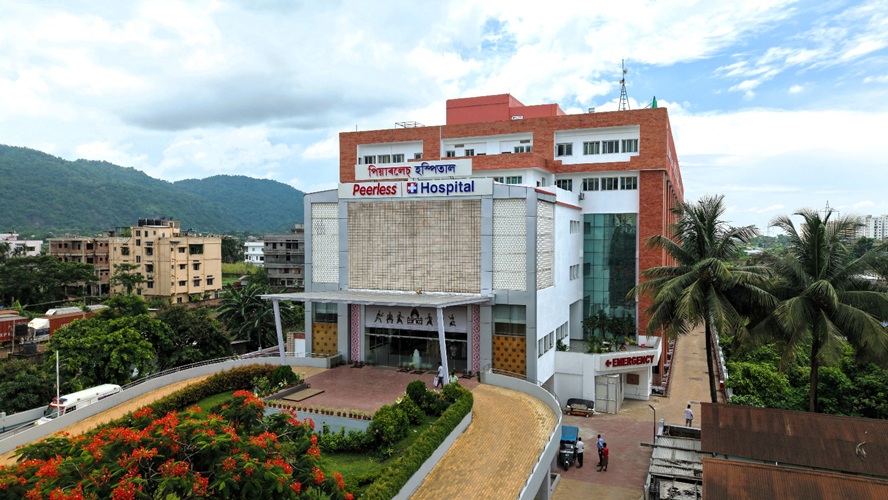
A family in Guwahati has shared its experience of hospital-based palliative care during the treatment of their mother who was diagnosed with advanced-stage liver cancer, highlighting the role of structured comfort-focused care during serious illness.
The 62-year-old patient was admitted to Peerless Hospital Guwahati for what the family initially expected to be a brief hospital stay.
However, doctors later informed them that immunotherapy had not produced the desired results and the disease had progressed, making palliative care the most appropriate course of treatment.
Although the option of home-based care was discussed, the family felt her condition required constant medical supervision.
A family member said they preferred keeping her in a medical setting where immediate support would be available if needed.
After reviewing several options in the city, the family chose the hospital’s structured palliative care package, which was arranged within 24 hours following discussions with the medical team.

The patient was moved to a single cabin where a family member could stay with her around the clock. Medical staff maintained continuous monitoring of her vital signs, while nurses carried out regular checks of blood pressure, temperature and oxygen saturation.
Measures such as the use of an air mattress were introduced to prevent bedsores, and her position was adjusted periodically to ensure comfort.
A dietician monitored her nutritional needs and tailored her meals according to medical requirements and personal preferences.
The care plan also included mobility support, with wheelchair outings and assisted short walks when her condition allowed.
Daily physiotherapy sessions were conducted to help maintain strength and movement.
Her primary physician reviewed her condition twice a day, while specialists were consulted whenever necessary.
Over time, the patient’s condition showed signs of improvement in certain aspects.
She was able to resume oral intake after previously requiring assisted feeding, and both her feeding tube and catheter were eventually removed.
ALSO READ: NITI Aayog report: Arunachal Pradesh leads fiscal health rankings in Northeast
“After months without appetite, being able to eat normally again meant a great deal to her,” a family member said.
Chief Executive Officer of the hospital, Gautam Kumar Das, said palliative care aims to improve comfort and quality of life when curative treatments are no longer effective.
He noted that palliative care is often misunderstood as being limited to end-of-life support, whereas its primary focus is on managing symptoms, preserving dignity and supporting both patients and families during serious illness.
According to him, hospital-based palliative care can provide a balance between professional medical supervision and the close involvement of family members in caring for their loved ones.
The family said the structured care approach allowed them to stay closely involved in the patient’s care while ensuring that consistent medical attention was available throughout a difficult stage of treatment.