










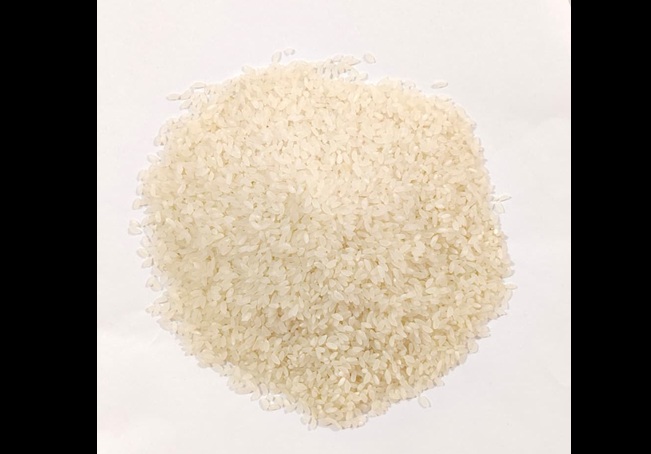
India has exported its first consignment of Geographical Indication (GI)-tagged Joha rice from Assam to the United Kingdom and Italy, marking a significant step in promoting the state’s indigenous aromatic rice in international markets.
The Agricultural and Processed Food Products Export Development Authority (APEDA) facilitated the export of a 25-metric tonne consignment, which was dispatched on March 12 in collaboration with the Assam government’s Department of Agriculture, the Commerce Ministry said on Friday.
The shipment was flagged off by Assam Agriculture Minister Atul Bora in the presence of Agriculture Production Commissioner Aruna Rajoria, ARIAS Society State Project Director Virendra Mittal, Director of Agriculture Uday Praveen, APEDA official Saurabh Srivastava and representatives from the Plant Quarantine Department and APEDA’s regional office in Guwahati.
The export is being handled by APEDA-registered exporter Safe Agritrade Pvt Ltd, while processing and packaging of the rice was carried out at Pratik Agro Food Processing.
Officials said the initiative is part of APEDA’s broader efforts to strengthen global market access for India’s GI-tagged agricultural products and improve price realisation for farmers.
The move is also expected to open new opportunities for agricultural exports from the Northeastern region and enhance farmers’ incomes.

ALSO READ: Meghalaya CM urges peace after Garo Hills violence, says NPP will address ST certificate issue
APEDA has been actively working to promote Joha rice internationally.
Earlier, it facilitated the export of one metric tonne of the GI-tagged variety to Vietnam and two metric tonnes to several Middle Eastern countries, including Kuwait, Bahrain, Qatar, Oman and Saudi Arabia.
Joha rice, an indigenous aromatic variety from Assam, received the GI tag in 2017.
Known for its distinctive fragrance, fine grain texture and rich taste, it has been gaining popularity in premium domestic as well as global markets.
In Assam, Joha rice is cultivated across approximately 21,662 hectares, with production estimated at about 43,298 metric tonnes in the 2024–25 financial year.
The crop is mainly grown in districts such as Nagaon, Baksa, Goalpara, Sivasagar, Majuli, Chirang and Golaghat.