










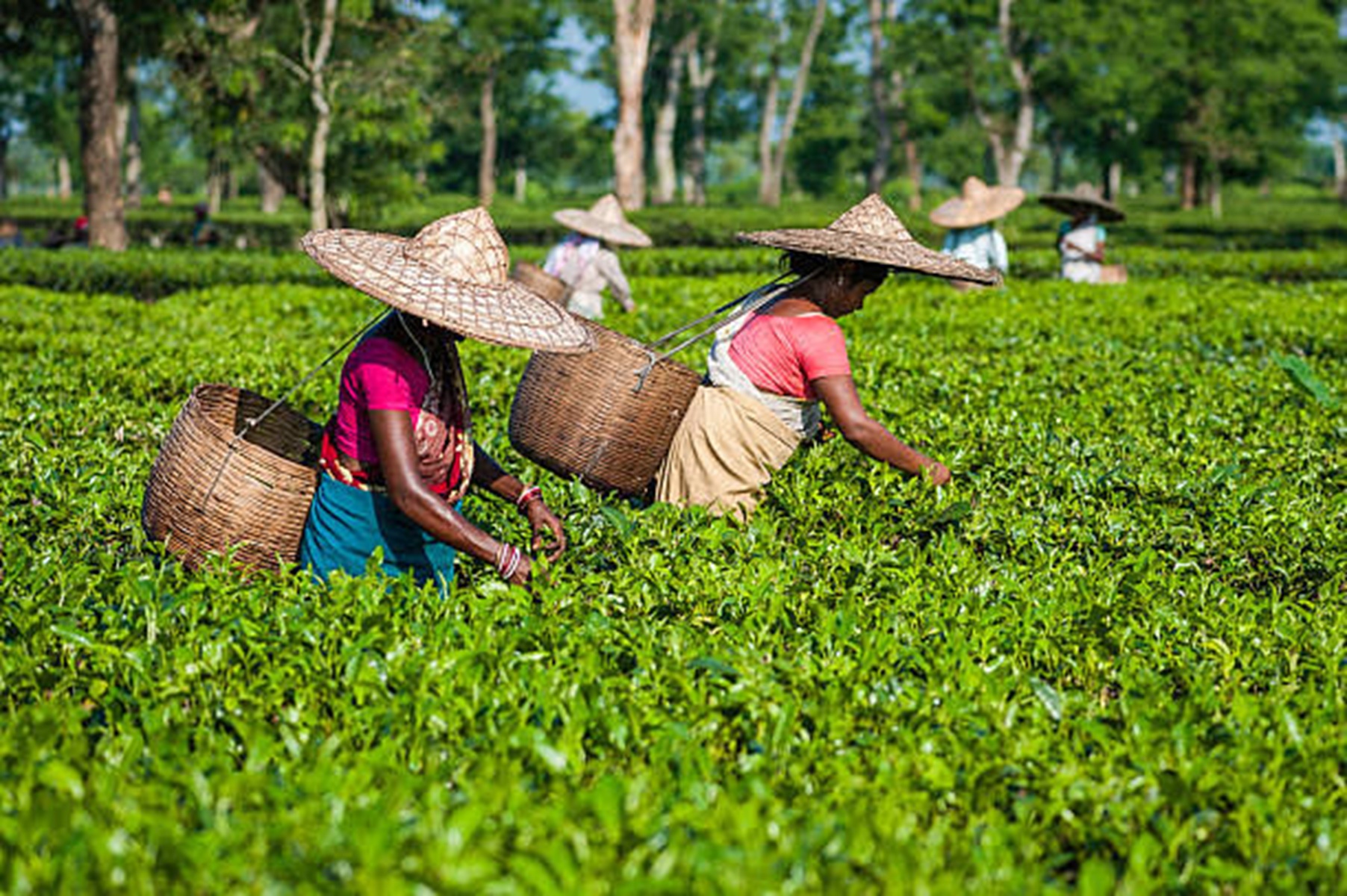
Guwahati: The freshly concluded India–European Union Free Trade Agreement (FTA) has raised cautious optimism across India’s tea industry—an industry rooted in centuries-old plantations and sustained by millions of workers, growers and exporters.
Announced at the 16th India–EU Summit in New Delhi on January 27, the comprehensive pact—officially titled the India–EU Trade and Investment Agreement—seeks to deepen economic ties by lowering tariffs, addressing non-tariff barriers and improving regulatory cooperation.
Together, India and the EU represent a combined market of over USD 24 trillion, covering nearly two billion people.
For Indian tea exporters, the agreement holds particular significance. India currently exports around 19–21 million kilograms of tea annually to EU countries, with Germany and Poland emerging as crucial gateways for Indian tea into wider European markets.
Industry leaders believe the FTA could help Indian tea consolidate and expand its footprint in Europe, especially amid rising global competition.
Welcoming the agreement, Tea Association of India (TAI) president Shailja Mehta said the FTA would strengthen India’s competitiveness across the agriculture and processed food sectors.

“While duty rates on black tea and most green tea categories were already nil, the agreement is expected to eliminate duties on green tea imports below three kilograms, which will further boost India’s export potential,” she said.
Beyond tariffs, however, challenges remain. Exporters continue to grapple with stringent European Union regulations on Maximum Residue Limits (MRLs), food safety, traceability, packaging and labelling.
These compliance requirements, often costly and complex, have been a persistent concern for Indian producers—particularly small and medium tea growers.
The industry hopes the FTA will usher in greater regulatory transparency and science-based standards.
“Timely consultations before the introduction of new regulations are crucial to avoid sudden disruptions in exports,” industry representatives have stressed.
Under the agreement, Indian exports seeking preferential access to the EU must meet rules of origin requirements, ensuring that goods undergo substantial processing within India.
While the product-specific rules have been framed to align with existing supply chains, exporters will still need to strengthen documentation and traceability systems to fully benefit from the pact.
ALSO READ: Meghalaya: Provocative poster warning Garos to vacate land triggers police action in Tura
Experts caution that new EU regulations on sustainability, environmental protection and human rights due diligence could further raise compliance costs.
For tea estates in Assam, Darjeeling and the Nilgiris—many already battling climate stress, rising input costs and labour challenges—this could add another layer of pressure.
To truly unlock the FTA’s potential, industry bodies say domestic support will be critical.
Investment in certification infrastructure, testing facilities, traceability systems and capacity-building programmes—especially for small and medium enterprises—will determine how effectively Indian tea can compete in European markets.
Early engagement with stakeholders and alignment of domestic policies with FTA commitments, they argue, will be key to ensuring that the benefits of the landmark trade deal reach the plantations and workers who form the backbone of India’s tea economy.