









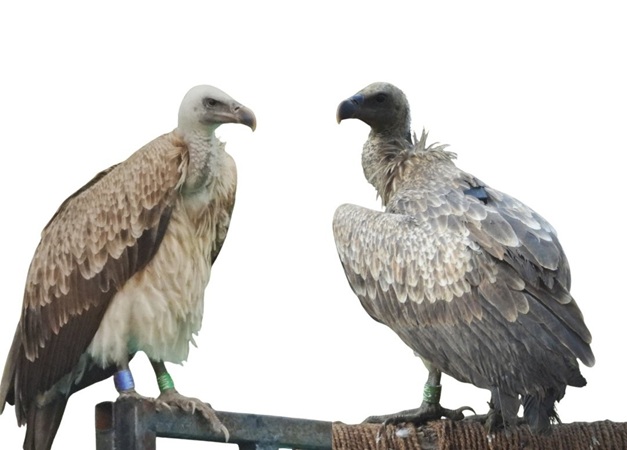
The Bombay Natural History Society (BNHS) will begin reintroducing two critically endangered vulture species into the wild in Assam from January, marking a key phase in India’s ongoing vulture recovery programme.
The organisation, which has bred more than 800 vultures across its conservation centres, is finalising preparations to release Slender-billed and White-rumped vultures in the state, it said on Thursday.
BNHS teams, supported by the Royal Society for the Protection of Birds (RSPB) and the Assam Forest Department, are conducting village meetings and awareness campaigns to prepare local communities ahead of the release.
The birds will be freed using a “soft release” method, which allows them to acclimatise to natural conditions before full dispersal, said senior scientist and deputy director Sachin Ranade.
Ranade noted that both species have been successfully bred in captivity, but their return to the wild depends heavily on eliminating threats such as toxic veterinary drugs and poisoning incidents.
The organisation has been urging veterinarians and livestock handlers to shift to vulture-safe medicines such as meloxicam and tolfenamic acid, as vultures often die after feeding on carcasses of cattle treated with drugs like diclofenac and ketoprofen.

ALSO READ: JNC moves govt against alleged tribal land laws violation in Shree Cement proposal
He added that frequent cases of poison baiting and pesticide use on cattle carcasses in Assam have resulted in the death of wild vultures and delayed the reintroduction programme.
“Vultures cannot distinguish between safe and unsafe carcasses and fall victim to these incidents,” he said.
BNHS said the reintroduction will benefit farmers and cattle owners, as vultures play a vital role in consuming carcasses and preventing the spread of disease.
Assam remains the last stronghold of the Slender-billed vulture in India, making the upcoming release critical to the species’ long-term survival, Ranade said.
BNHS director Kishor Rithe described the community awareness campaign as central to the success of the initiative.