










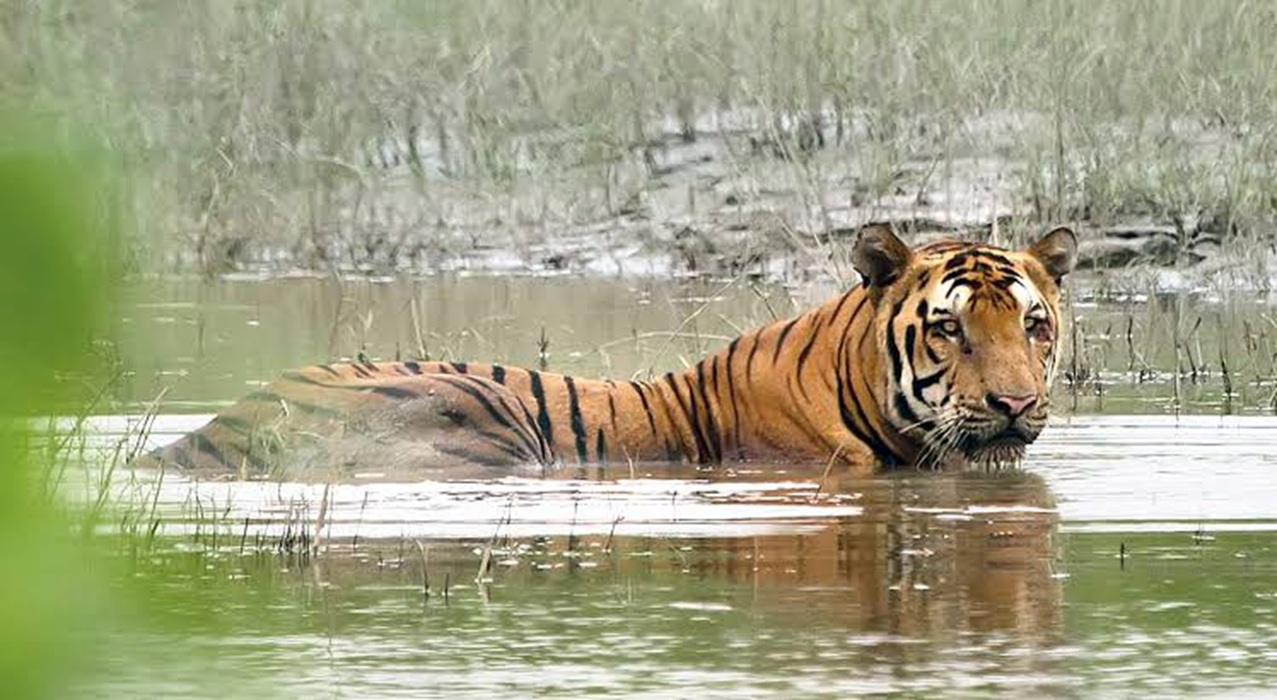
Guwahati: Assam Chief Minister Himanta Biswa Sarma on Tuesday said the state has recorded a dramatic rise in its tiger population, with numbers increasing from just 70 in 2006 to 227 in 2022, calling it a reflection of sustained political commitment, coordinated action and strong public participation in wildlife conservation.
In a post on X, Sarma said Assam has emerged as one of the safest habitats in the country not only for the one-horned rhinoceros but for a wide range of wildlife species.
He credited the people of the state for their role in supporting conservation initiatives and protecting natural ecosystems.
“From 70 tigers in 2006 to 227 in 2022, Assam’s conservation journey reflects strong commitment and collective action. Today, our state stands among the safest habitats not only for rhinos but for diverse wildlife,” the chief minister said, expressing gratitude to citizens for their continued support.
Over the past two decades, Assam has consolidated its position as a major wildlife conservation hub, with protected areas such as Kaziranga, Manas, Orang and Nameri national parks forming the backbone of its conservation framework.
Kaziranga, a UNESCO World Heritage Site, is globally recognised for its population of one-horned rhinos, while Manas National Park has witnessed a revival of endangered species, including the tiger and the pygmy hog.

Forest officials attribute the growth in tiger numbers to a combination of stricter anti-poaching measures, strengthened intelligence networks, intensive patrolling, and the use of modern technology such as camera traps and drones.
Enhanced coordination between forest departments and security agencies has also played a key role in protecting wildlife habitats.
ALSO READ: As Bangladesh’s electoral die is cast, the Jamaat-e-Islami’s make or break moment
Community participation has emerged as a critical pillar of conservation efforts, with eco-development committees and awareness programmes helping to reduce human-wildlife conflict and build local ownership of conservation goals.
The state government has maintained that conservation and development must progress together, focusing on improved infrastructure in protected areas, better facilities for forest personnel and continuous monitoring of wildlife corridors to ensure long-term ecological stability.
Sarma said the conservation gains extend beyond tigers, noting that Assam’s forests are increasingly becoming safer habitats for elephants, deer, birds and other species, and reaffirmed the government’s commitment to strengthening wildlife protection to preserve the state’s natural heritage for future generations.