










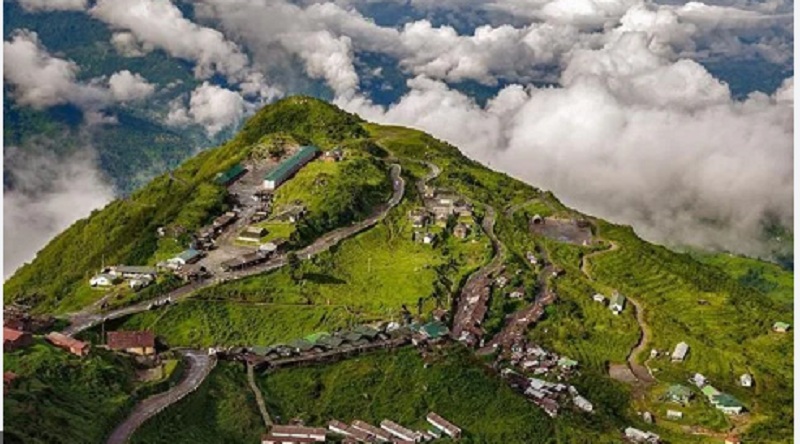
Itanagar: In an effort to highlight one of India’s most remote and symbolically significant frontiers, the Arunachal Pradesh government will host the inaugural Sunrise Festival 2025–26 at Dong village starting December 29.
Amid vibrant cultural performances and a range of adventure activities, tourists can welcome the New Year in Dong, the first village in India to witness the sunrise.
The first Sunrise Festival will begin on December 29 and continue till January 2, bringing together artists, explorers, scholars and travellers from across India and abroad.
Nestled in the far eastern reaches of Anjaw district near the tri-junction of India, China and Myanmar, Dong village carries immense geographical, cultural and strategic significance. It is home to the indigenous Meyor tribe, whose distinct traditions and deep bond with nature define the village’s cultural identity.
The five-day celebration aims to project Arunachal Pradesh as a destination for nature, culture, adventure and sustainable tourism.
The programme will feature traditional sunrise rituals, cultural performances by communities from across the state, guided treks and nature walks, river-based activities, eco-camping, village tours, photography expeditions, workshops, folk art and craft sessions, as well as showcases of local cuisine. A sunrise pledge will also be administered on January 1.

Chief Minister Pema Khandu said the festival celebrates Dong’s unique identity as the easternmost point of India, where the first rays of the sun touch Indian soil.
“This celebration highlights Dong’s unique distinction as the easternmost point of India. The festival will offer visitors a rare blend of nature, culture and adventure, while showcasing the rich heritage of our indigenous communities,” Khandu said.
ALSO READ: Arunachal Pradesh’s Anini recognised as best emerging adventure destination
Khandu said the initiative seeks to promote sustainable tourism, generate livelihood opportunities for local communities, and position Dong as a landmark of India’s geographical and cultural identity on the global tourism map.