









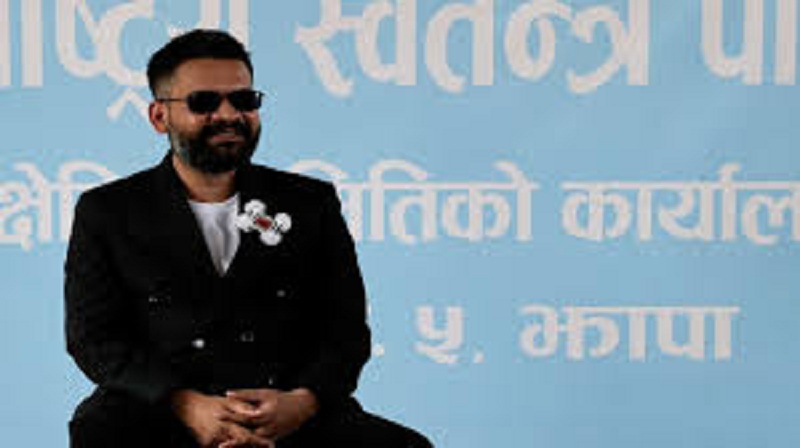
Rapper-turned-politician Balendra Shah’s newly formed Rastriya Swatantra Party (RSP) is heading towards a sweeping victory in Nepal’s first general election since the violent Gen Z protests.
Election Commission of Nepal spokesperson Prakash Nyupane said vote counting had begun peacefully in most parts of the country. Nepal’s Chief Election Commissioner Ram Prasad Bhandari said the counting of votes in the parliamentary elections is expected to be completed by March 9.
According to the Election Commission’s latest data available from 161 of the total 165 constituencies, the RSP has won 27 seats with a clean sweep in all 10 constituencies of Kathmandu district and is leading on 92 seats in the elections held on Thursday.
The Nepali Congress has secured five seats, while the Nepal Communist Party has won two. Former Nepali Prime Minister KP Oli, CPN-UML, is leading on 10 seats and has won one seat. The Shram Sanskriti Party is currently leading in six constituencies.
Although Balendra Shah, a former Kathmandu mayor who first gained recognition as a rapper and youth activist, was widely seen as the preferred candidate to lead the interim government after the ouster of former prime minister KP Sharma Oli, he reportedly declined the caretaker role.
Instead, Shah opted to seek a full public mandate through the ballot box. He joined the RSP in January and quickly emerged as the face of the party’s campaign. Backed by youth support and RSP, he challenged established political forces amid controversy and reform promises.

The move appears to have paid off, with the 35-year-old engineer now poised to lead the nation.
Voter turnout reached an impressive 60 per cent, driven largely by unprecedented participation from young voters.
Officials attributed the smooth conduct of the initial phase to enhanced voter awareness campaigns, cooperation among political parties and strict security arrangements that helped prevent disruptions despite lingering tensions.
Of the total 275 seats in Parliament, 165 members are elected through direct voting, while the remaining 110 are chosen through a proportional representation system.
Meanwhile, the Ministry of External Affairs in India has signalled its readiness to work with the incoming administration in Kathmandu as the RSP edges closer to a historic victory.
ALSO READ: Voting concludes peacefully with 60% turnout in Nepal’s Parliamentary Elections
MEA spokesperson Randhir Jaiswal said India looks forward to further strengthening the “robust multifaceted ties” between the two countries for mutual benefit.
He also reaffirmed India’s commitment to peace and stability in the Himalayan nation, noting that New Delhi had provided the requested logistical supplies to support the conduct of the elections.