









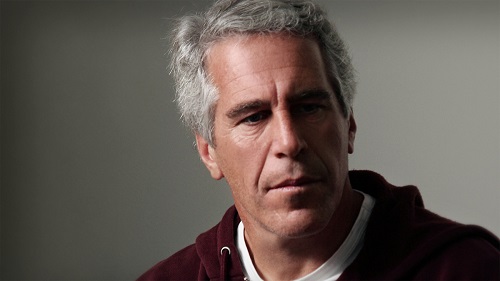
The Epstein Files, often invoked with a mix of intrigue and revulsion, represent one of the most explosive disclosures in modern investigative history, peeling back layers of elite complicity in the orbit of Jeffrey Epstein, the convicted sex offender whose suicide in 2019 did little to quell the storm of revelations. These files, a sprawling archive of court documents, emails, calendars, FBI reports, and depositions, have been incrementally released since 2019, culminating in massive tranches in 2024 and 2026.
At their core, they stem from civil litigation, notably Virginia Giuffre’s lawsuit against Ghislaine Maxwell, Epstein’s accomplice, which unsealed over 1,000 pages in January 2024, naming around 150-180 individuals. This was amplified in 2026 by the U.S. Department of Justice’s compliance with the Epstein Files Transparency Act, unleashing over three million pages, 180,000 images, and 2,000 videos from federal probes. Far from a mere list of names, the files illuminate a network of influence, where Epstein, post his 2008 guilty plea for sexual offenses involving minors, continued to court politicians, business tycoons, academics, and diplomats with apparent impunity. Yet, as journalistic analyses emphasize, mere mention in these documents does not equate to culpability; many entries are innocuous—passing references in emails or invitations—while others reveal denser, post-conviction ties that raise profound ethical questions. For figures like Epstein, who served a lenient 13 months and remained on sex-offender registries, the files expose how notoriety in elite circles did not deter associations, blending professional networking with darker undertones.
The global ripple effects of these disclosures have been profound, triggering a patchwork of responses that reflect varying thresholds for accountability. In the United Kingdom, the revelations have pierced the veneer of royal and political invincibility, leading to swift and severe consequences. Prince Andrew, now Andrew Mountbatten-Windsor after being stripped of titles in 2022, faced renewed scrutiny in 2026 when files detailed his sharing of confidential trade-envoy reports with Epstein. This escalated to his arrest in February 2026 on suspicion of misconduct in public office, a charge underscoring not sexual crimes per se but the abuse of position through tainted alliances. Similarly, Peter Mandelson, the former UK ambassador to the US, was sacked by Prime Minister Keir Starmer in 2025 after emails surfaced showing him defending Epstein’s 2008 conviction and engaging in flippant innuendo. Mandelson’s subsequent resignation from the Labour Party and the House of Lords, coupled with a police referral, exemplifies how the UK’s Ministerial Code—demanding the highest standards of propriety—enforces resignations for ethical lapses, even absent criminal proof. Starmer’s chief of staff, Morgan McSweeney, also resigned, acknowledging a vetting failure, highlighting a culture where institutional reputation trumps individual denial. These actions, driven by public outrage and media saturation, signal a zero-tolerance stance toward associations that erode trust, prioritizing transparency over loyalty.
Across the Atlantic, the United States has seen corporate and academic spheres act decisively, often pre-emptively, to mitigate reputational fallout. Thomas Pritzker, executive chairman of Hyatt Hotels, resigned in February 2026, explicitly citing “terrible judgment” in maintaining extensive contacts with Epstein and Maxwell post-2008, framing his exit as essential to safeguard the company’s integrity. Kathryn Ruemmler, Goldman Sachs’ general counsel, stepped down effective June 2026 after emails revealed her affectionate references to Epstein as “Uncle Jeffrey,” accepting gifts, and offering media advice—actions deemed incompatible with fiduciary duties under Sarbanes-Oxley and SEC guidelines. Larry Summers, the former Treasury Secretary and Harvard luminary, paused public engagements and withdrew from boards like OpenAI’s, expressing “deep shame” over years of personal correspondence seeking Epstein’s counsel. These resignations, absent any trafficking allegations, underscore a corporate ethos where boards weigh scandal’s financial toll, opting for ethical purges to avert shareholder suits or stock plunges. In Norway, Terje Rød-Larsen resigned as president of the International Peace Institute in 2020 upon revelations of loans and donations from Epstein-linked sources; the institute pledged to redirect funds to anti-trafficking causes and commissioned an audit, illustrating how international organizations prioritize moral audits over mere legality.
Also Read: Trump accuses Obama of ‘treason’, sparks backlash amid Epstein controversy
This mosaic of accountability contrasts starkly with India’s response to a Union Minister, whose name appears prominently in the 2025-2026 tranches of emails and calendars. Independent reports confirm multiple exchanges—dozens of emails from 2014 to 2017, including pitches for India’s digital economy and casual banter addressing Epstein as “Jeff” or “my friend”—and at least several meetings at Epstein’s Manhattan townhouse. The absence of action on sends multifaceted messages, both globally and domestically, that an impartial observer must parse with nuance. To the international community, it underscores divergent ethical benchmarks in democratic governance. While Western nations and corporations treat post-conviction ties with Epstein as reputational toxins necessitating purges, India’s stance positions it as more permissive, potentially diluting its advocacy for rule of law and women’s safety on global stages. This differential risks portraying Indian elites as insulated, contrasting sharply with the UK’s arrests or US resignations, and may invite scrutiny in diplomatic circles where transparency is currency. For instance, as India engages in forums like the G20, such episodes could subtly erode moral authority, reinforcing perceptions of selective accountability—vigorous against domestic rivals but lenient toward incumbents. Yet, this message is not unidirectional; it also signals resilience against foreign-driven narratives, appealing to allies wary of Western media dominance.

Domestically, the signal to the Indian electorate is equally layered, fostering cynicism among those prioritizing ethics and gender justice. For voters attuned to women’s safety amid rising awareness of abuse scandals, Puri’s unchallenged position normalizes associations with convicted offenders, implying a double standard: stringent laws for the masses, but impunity for the powerful. This could deepen disillusionment, eroding faith in official pledges for probity and transparency, especially when discrepancies in public statements go unaddressed. Among the ruling party’s base, however, the non-action may resonate as fortitude, framing the controversy as opposition “buffoonery” or external meddling, bolstering narratives of national sovereignty. In polarized times, such reframing sustains loyalty, but at the cost of institutional health: normalizing understatement risks entrenching a culture where truth is malleable, potentially weakening democratic discourse over time.
Ultimately, as an impartial observer, one notes that the Epstein Files transcend scandal, serving as a litmus test for global ethics. They reveal not just individual failings but systemic variances— from proactive Western reckonings to India’s cautious restraint. While legally defensible, India’s approach invites reflection: in an interconnected world, where files like these blur borders, aligning accountability norms could fortify, rather than fracture, public trust. The files, after all, remind us that shadows linger longest when unexamined, urging a balance between justice’s scales and mercy’s veil.