










Indian nationals in Iran have been advised to leave the country by available means of transport, including commercial flights, amid a possibility of a US strike on the country in days to come.
In its latest advisory, the Embassy of India in Tehran asked its citizens to “leave Iran by available means of transport, including commercial flights.” The advisory applies to everyone in Iran – students, pilgrims, business persons and tourists.
“In continuation of the advisory issued by the Government of India on 5 January 2026, and in view of the evolving situation in Iran, Indian nationals who are currently in Iran — students, pilgrims, business persons and tourists — are advised to leave Iran by available means of transport, including commercial flights,” the fresh advisory read.
The Embassy has reiterated its advisory issued on January 14 this year, saying all Indian citizens and Persons of Indian Origin should exercise due caution, avoid areas of protests or demonstrations, stay in contact with the Indian Embassy in Iran and monitor local media for any developments.
Also Read: Mexican drug lord ‘El Mencho’ killed in military operation, violence erupts across states
“The 14 January 2026 advisory is hereby reiterated that all Indian citizens and Persons of Indian Origin (PIOs) should exercise due caution, avoid areas of protests or demonstrations, stay in contact with the Indian Embassy in Iran and monitor local media for any developments,” the advisory read.
It also requested the Indian nationals to have their travel and immigration documents, including Passports and Identity Cards, readily available with them.
The Embassy also issued helpline numbers +98 912 810 9115, +98 912 810 9109, +98 912 810 9102 and +98 993 217 9359.
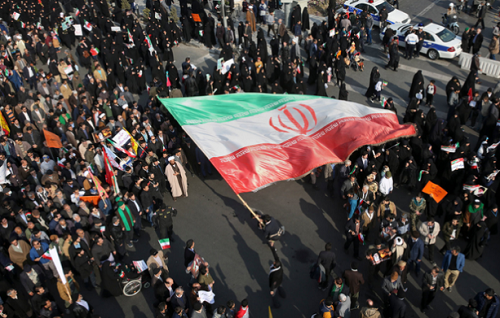
The fresh advisory also comes against the backdrop of escalating tensions between Washington and Tehran over Iran’s nuclear programme. A volatile weekend in the Iranian capital was marked by university demonstrations, rival pro- and anti-government rallies, and heightened rhetoric from senior officials in both countries.