










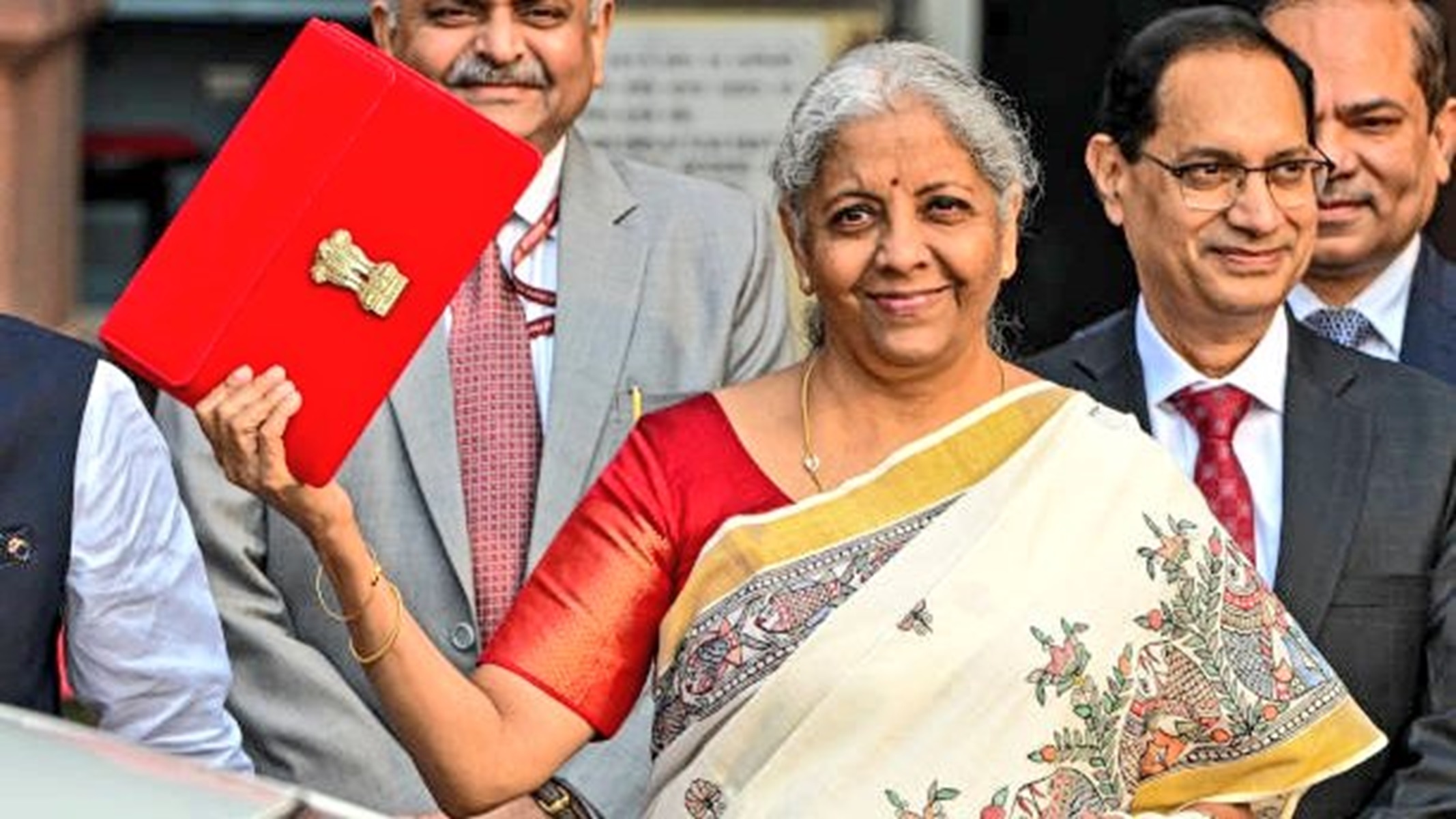
New Delhi: The Union Budget 2026 is expected to stick to fiscal discipline while continuing to back capital-intensive and strategic sectors, with defence emerging as the biggest likely beneficiary, according to a report released on Thursday.
The report by investment platform smallcase, based on a pre-Budget survey of more than 50 investment managers, found that close to 40 per cent of respondents expect higher allocations for the defence sector.
This outlook is driven by ongoing efforts towards indigenisation, modernisation of forces, rising export opportunities and sustained government spending.
Infrastructure is expected to be the second major focus area, with about 29 per cent of respondents favouring the sector.
Fund managers cited confidence in continued public capital expenditure and its long-term impact on economic growth.
The survey reflects strong optimism among equity managers about India’s medium-term market prospects, despite expectations of short-term volatility around the Budget.

A majority of respondents remained bullish on Indian equities, with over 82 per cent expecting the Nifty 50 to end FY27 above the 25,000 mark.
About 43 per cent projected the benchmark index to trade in the 25,000–27,500 range.
Inflation expectations also appear stable, with more than 85 per cent of respondents forecasting inflation for FY27 at 4–5 per cent or even below 4 per cent, indicating confidence in macroeconomic stability.
Manufacturing accounted for around 18 per cent of sectoral preferences, supported by expectations that production-linked incentive (PLI) schemes and policy support will continue.
Consumption and agriculture attracted about 7 per cent each, suggesting that investors anticipate targeted measures rather than broad-based stimulus for these sectors.
ALSO READ: Fire devastates Rohingya camp in Cox’s Bazar, thousands left homeless
Nearly 80 per cent of fund managers expect heightened market volatility in the near term around the Budget announcement.
This, the report said, is largely due to event-driven positioning, potential policy surprises and global factors.
However, most believe the volatility will be temporary, with markets eventually returning to fundamentals.
On the taxation front, respondents do not expect major changes.
The survey indicates limited room for large corporate tax cuts, with stability in corporate taxation more likely. Targeted relief or simplification for salaried individuals is seen as a more probable move.
Overall, the report suggests that the Budget is likely to focus on selective measures to support urban and rural demand, while avoiding broad fiscal stimulus, in line with the government’s emphasis on maintaining fiscal prudence.