










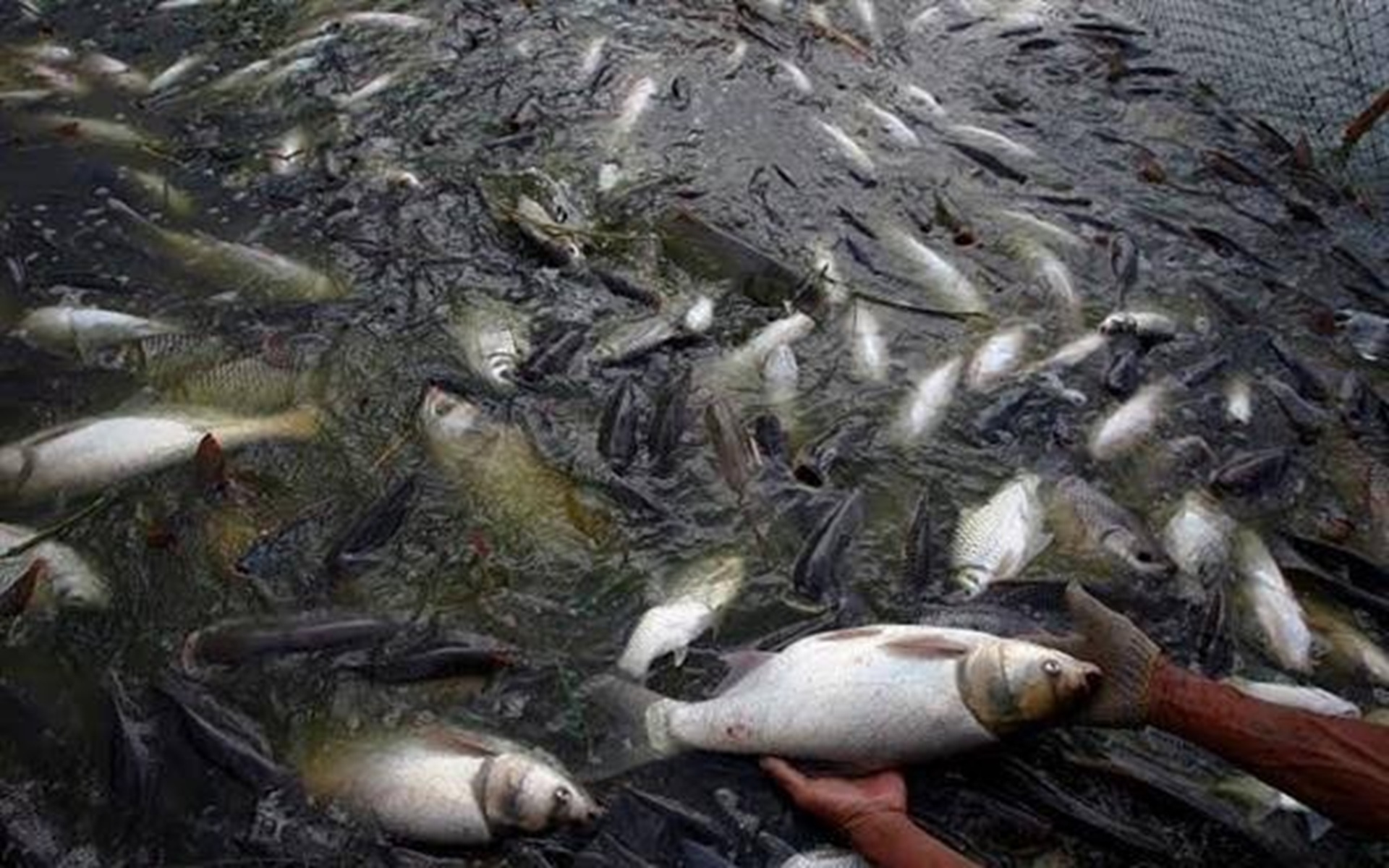
Guwahati: Tests conducted on fish sold in city markets have found traces of toxic heavy metals in several commonly consumed species, raising concerns over food safety and public health.
Preliminary findings from a study by the Pahle India Foundation show that lead was detected beyond permissible limits in multiple fish samples collected from Guwahati.
The study, which is yet to be published, found particularly high levels of lead in Bhagon (Labeo bata), a low-cost fish that is widely consumed across households in Assam.
All samples of this species tested were found to exceed safe limits.
Lead contamination was also detected in other commonly eaten fish, including Naro, a freshwater catfish, and Bariola (Opsarius bendelisis), indicating that exposure may not be limited to a single variety.
Researchers said all fish samples with unsafe lead levels were also found to contain arsenic, suggesting broader environmental contamination.

Experts warn that lead accumulates in the body over time and can cause serious health problems.
Children, pregnant women and infants are considered most vulnerable, with risks ranging from impaired cognitive development to long-term organ damage.
Prolonged exposure in adults has been linked to kidney disease, high blood pressure and declining cognitive function.
ALSO READ: Assam I-Day IED case: NIA chargesheets two more accused
The findings point to deteriorating environmental conditions in Guwahati’s water bodies.
Wetlands and rivers in and around the city receive untreated sewage, industrial waste and leachate from municipal dumping sites, which officials say may be entering the food chain through fish.
Researchers have flagged the issue as a growing public health concern and called for closer monitoring of fish markets, improved waste management and stronger pollution control measures to prevent further contamination.