









A group of international human rights representatives has written to the Norwegian Nobel Committee expressing grave concern over what they described as a worsening human rights and humanitarian crisis in Bangladesh, urging the body to reflect on the moral responsibility attached to the Nobel Peace Prize.
In a joint letter addressed to the Nobel Committee in Oslo, the signatories said Bangladesh was witnessing an alarming deterioration in human rights, citing credible reports and eyewitness accounts of targeted violence, destruction of homes and livelihoods, attacks on cultural and religious institutions, and systematic intimidation of vulnerable communities, particularly religious and ethnic minorities.
Women and children, the letter said, were among those most affected.
The authors of the letter asserted that the alleged violations were neither isolated nor spontaneous, but bore the hallmarks of organised and sustained abuses of fundamental rights.
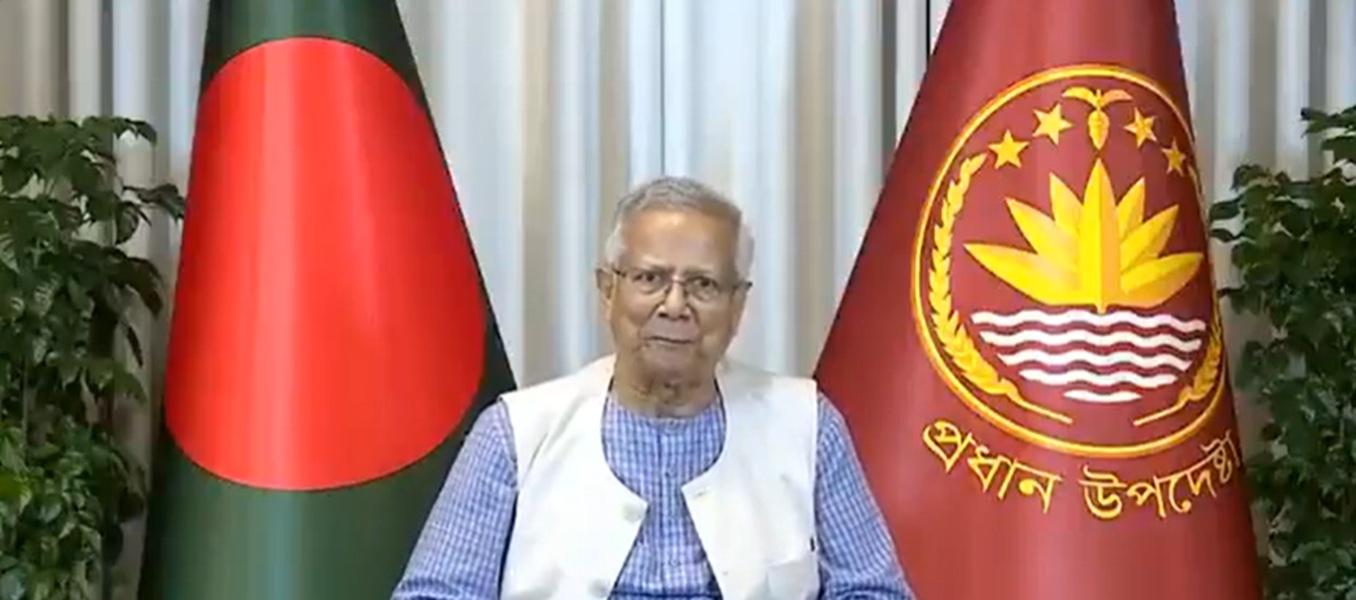
Against this backdrop, they expressed concern over the public silence of Nobel Peace Prize laureate Dr Muhammad Yunus, who is currently serving as the Chief Adviser of Bangladesh’s interim government.
The signatories argued that Dr Yunus, by virtue of holding both global moral authority as a Nobel laureate and national responsibility as a government leader, was expected to exercise moral leadership in the face of widespread suffering.
They stated that silence in such circumstances could not be viewed as neutrality and carried serious ethical consequences.
The letter stressed that the appeal was not politically motivated, but rooted in universal principles of humanity, accountability and justice.
It said peace could not exist where fear governed daily life and neutrality could not be claimed when fundamental rights were being systematically violated.
Calling on the Norwegian Nobel Committee and the Nobel Foundation to reflect on their ethical responsibilities, the signatories said the moral authority of the Nobel Peace Prize depended on transparency, moral clarity and the courage to confront suffering when it unfolded.
They added that the victims in Bangladesh deserved recognition and that global conscience demanded responsibility, warning that history would judge how institutions responded when human dignity was under threat.
The letter was signed by Rev. Dr Robert B. Lancia, former legislator of the Rhode Island House of Representatives in the United States; Paulo Casaca, founder and executive director of the South Asia Democratic Forum in Belgium; Chris Blackburn, communications director of the European Bangladesh Forum in the UK; Alan Rides, director of the West London Chamber of Commerce; Natalia Sineaeva, representative of the NEVER AGAIN Association in Poland; Charlotte Jacquemart, senior editor at Schweizer Radio und Fernsehen in Switzerland; Priyajit Debsarkar, chief editor of the Bridge Bangla Foundation in the UK; and Prof. Dr Md. Habibe Millat, president of the Global Center for Democratic Governance in Canada.