










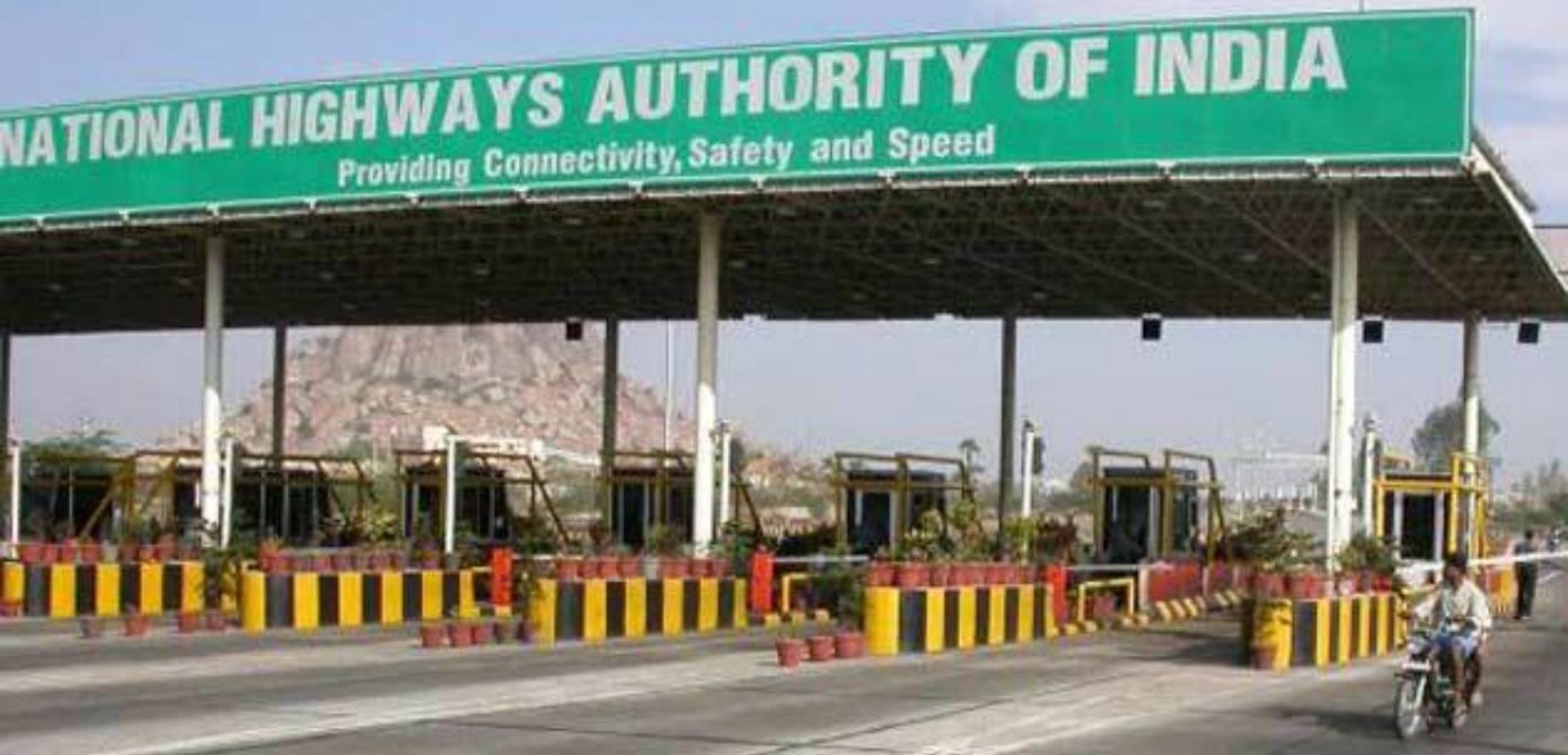
New Delhi: The Centre plans to roll out AI-driven highway management and a multi-lane free flow (MLFF) tolling system across the country by the end of 2026, a move expected to virtually eliminate waiting time at toll plazas, Union Road Transport and Highways Minister Nitin Gadkari told Parliament on Wednesday.
Replying to a question in the Rajya Sabha, Gadkari said the upcoming system will allow vehicles to pass through toll points without stopping, significantly improving traffic flow and commuter experience on national highways.
The MLFF mechanism is designed to enable vehicles to cross toll locations at speeds of up to 80 km per hour.
According to the minister, the new tolling framework will rely on artificial intelligence-based number plate recognition, satellite tracking and FASTag integration to automatically identify vehicles and deduct toll charges.
The objective, he said, is to bring waiting time at toll plazas down to zero.
Gadkari informed the House that the MLFF system will be fully implemented on national highways by 2026.

Once operational, it is expected to curb toll revenue leakage, reduce congestion and cut down overall travel time.
ALSO READ: “May I watch you create your magic?”: ‘Avatar’ director James Cameron to SS Rajamouli
Responding to supplementary questions, the minister said the shift to AI-enabled tolling would also help commuters save fuel while boosting government revenues.
He noted that earlier manual toll collection often resulted in delays of three to ten minutes, which were later reduced to under a minute with the introduction of FASTag.
The adoption of FASTag, Gadkari said, had already increased toll revenues by around Rs 5,000 crore.
With the transition to MLFF, vehicles will no longer be required to slow down or stop at toll points, marking a major upgrade in highway infrastructure and management across the country.