









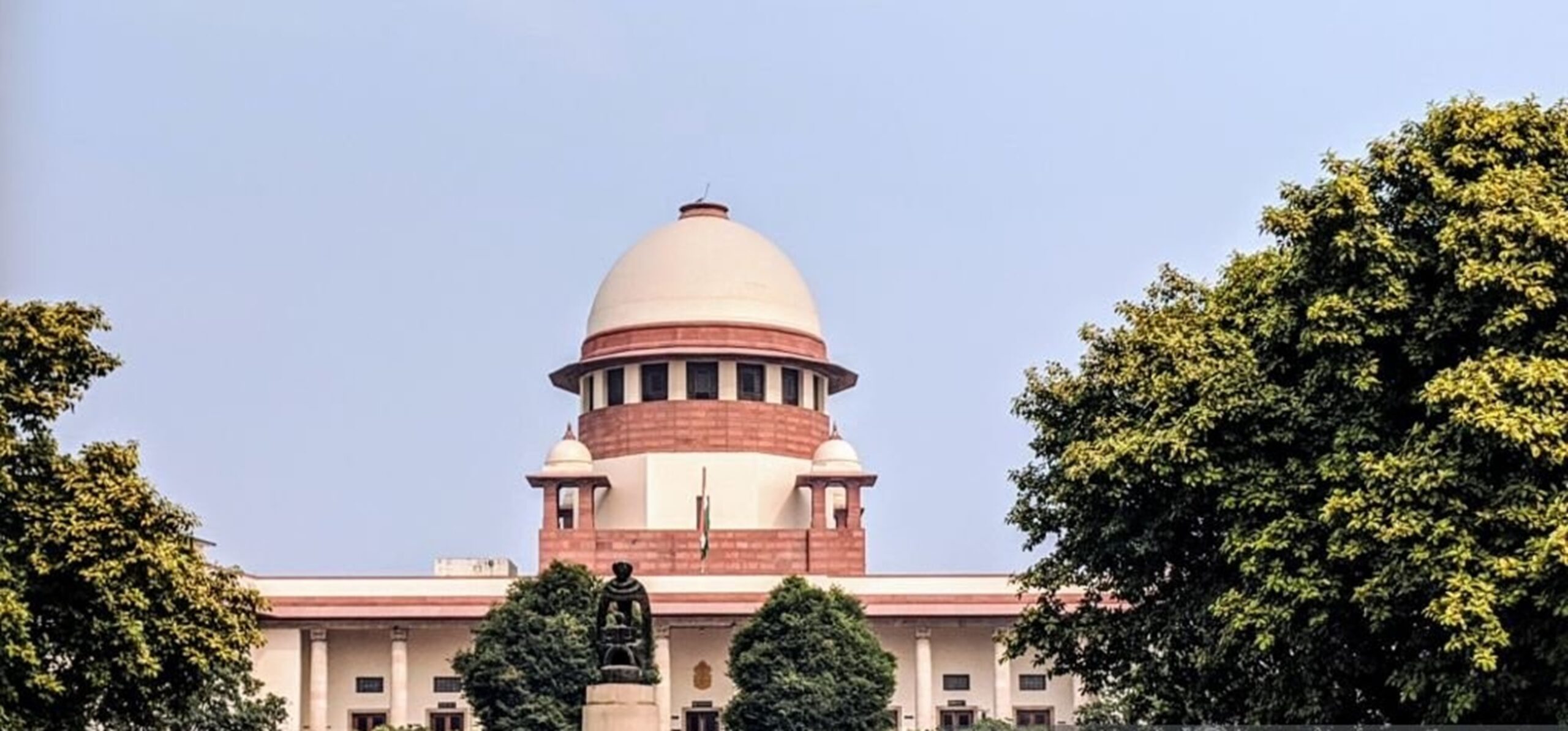
The Supreme Court on Monday questioned why the entire set of leaked audio recordings allegedly linked to the 2023 ethnic violence in Manipur was not sent for forensic examination, expressing concern over what it described as a selective approach in testing the material.
A bench comprising Justices Sanjay Kumar and Alok Aradhe said it was “a little disturbed” after being informed that only portions of the available audio clips were forwarded to Gujarat’s National Forensic Sciences University (NFSU) for analysis.
The court sought an explanation from the authorities on why the full recordings, running close to 48 minutes, were not examined in their entirety.
The observations came while hearing a petition filed by the Kuki Organisation for Human Rights Trust (KOHUR), which has sought an independent Special Investigation Team probe into leaked audio clips that allegedly suggest the involvement of former Manipur chief minister N Biren Singh in the violence.
Referring to an affidavit filed by the petitioners on November 20, the bench noted that it indicated only select clippings were sent for forensic testing.
“Once the entire tape was available with you, the entire tape ought to have been sent to the NFSU,” the court said, questioning the rationale behind examining only limited portions.

Advocate Prashant Bhushan, appearing for the petitioners, said the total duration of the recordings was around 56 minutes, of which about 48 minutes had been submitted to the court.
He added that the remaining portion could reveal the identity of the person who recorded the audio and disclosing it could endanger that individual’s life.
Counsel for the respondents said the affidavit had not been served on them, prompting the bench to note that even then, the issue of incomplete forensic testing needed to be addressed.
Additional Solicitor General Aishwarya Bhati sought a week’s time to respond to the affidavit, which the court allowed.
Taking the affidavit on record, the bench observed that the full 48-minute audio clip should have been sent for examination and fixed the matter for further hearing on January 7.
Earlier, on November 3, the Supreme Court had noted that the NFSU reported the leaked audio clips showed signs of editing and tampering and were not scientifically fit for forensic voice comparison.
Bhushan, however, referred to a separate forensic report which, according to him, found one of the recordings to be unedited.
The court has previously expressed dissatisfaction with the manner in which forensic testing was carried out.
ALSO READ: Mizoram CM calls for wider banking reach in hill districts, flags agriculture-led growth
On August 19, it described the Central Forensic Science Laboratory’s examination of the recordings as “misdirected”, clarifying that the focus should have been on voice sample comparison rather than authenticity alone.
Subsequently, on August 25, the court referred the matter to the NFSU to determine whether the audio clips were edited or tampered with and whether the voices matched admitted samples.
The case relates to ethnic violence that erupted in Manipur in May 2023 between the Meitei community in the Imphal valley and the Kuki-Zo tribes in the hill districts, leaving over 260 people dead and displacing thousands.
The clashes followed protests against a Manipur High Court order on the Meitei community’s demand for Scheduled Tribe status.
In its plea, KOHUR has alleged that the former chief minister played a central role in inciting and orchestrating violence in Kuki-dominated areas, an allegation that remains under judicial scrutiny.